
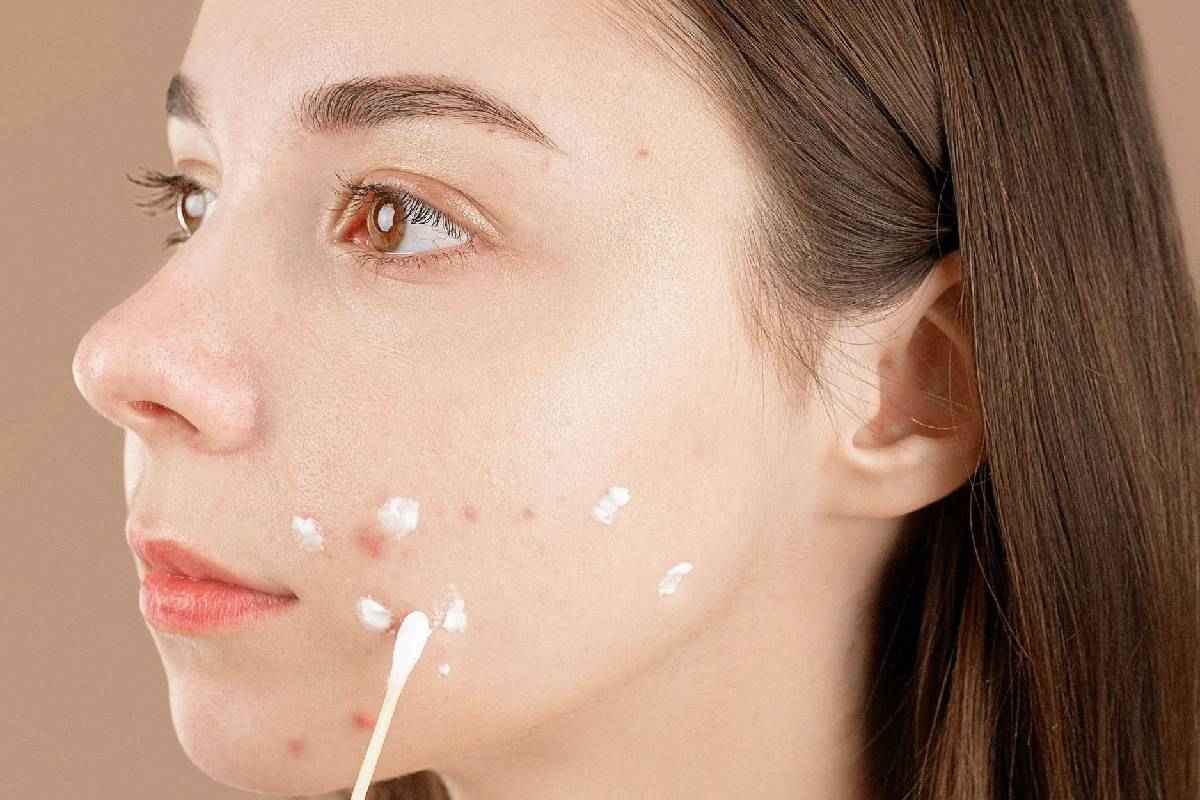
Many people associate acne with puberty, but it can also develop or persist during adulthood. Hormonal changes, stress, certain medications, genetics, and skincare products may contribute to adult acne. Fortunately, several treatment options can help manage breakouts and reduce the risk of future flare-ups.
Understanding what causes adult acne and choosing an appropriate skincare routine can help you manage symptoms and support healthier-looking skin.
Table of Contents
Adult Acne Definition
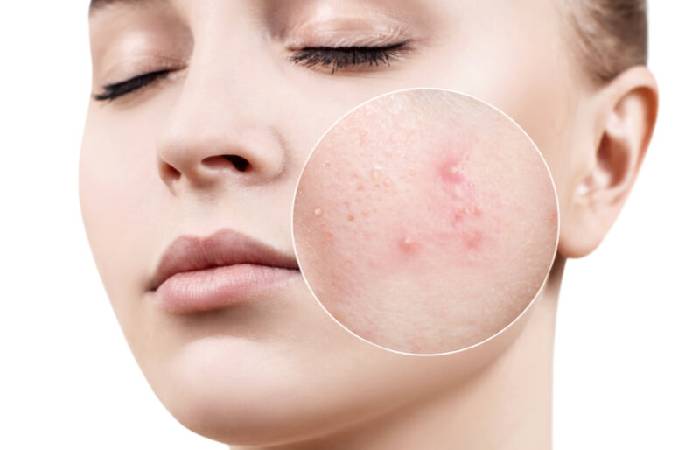
Acne is a common inflammatory skin condition that affects people of different ages. Although it often begins during adolescence, it can continue into a person’s 30s, 40s, and 50s or develop for the first time in adulthood. Adult acne is also known as post-adolescent acne.
Acne develops when hair follicles become clogged with oil (sebum) and dead skin cells. Bacteria and inflammation can contribute to the development of different types of blemishes, including whiteheads, blackheads, and inflamed pimples.
Acne most commonly affects the face, but it can also appear on the back, chest, shoulders, and other areas of the body.
The skin’s outer protective barrier plays an important role in overall skin health. You can learn more about its structure in our guide to the five layers of the epidermis.
Causes of Adult Acne
Acne can persist or appear for the first time during adulthood. It is common in women, partly because hormonal fluctuations can influence oil production and breakouts.
Several factors may contribute to adult acne.
Changes in Hormones
Hormonal changes can stimulate the sebaceous glands to produce more oil, which may contribute to clogged pores and acne.
Hormonal fluctuations can occur during:
- Menstrual cycles
- Pregnancy
- Perimenopause, the transition leading up to menopause
- Menopause
- Starting or stopping hormonal contraceptives
Some people experience recurring breakouts around their menstrual periods. Persistent acne accompanied by irregular periods or other signs of hormonal imbalance may warrant evaluation by a healthcare professional.
Stress
Stress may worsen acne in some people. Stress-related hormonal changes and inflammation can influence existing acne, although stress is not the sole cause of the condition.
Managing stress through regular physical activity, relaxation techniques, and sufficient sleep may support overall well-being and complement acne treatment.
Family History
Genetics can influence a person’s likelihood of developing acne. If a close relative, such as a parent or sibling, has experienced acne, you may also be more likely to develop it.
However, family history does not determine whether you will develop acne or how severe it will become.
Beauty and Skincare Products
Some skincare, makeup, and haircare products may contribute to clogged pores or worsen breakouts, particularly if they are unsuitable for acne-prone skin.
When choosing products, look for labels such as:
- Non-comedogenic
- Oil-free, when appropriate for your skin type
- Formulated for acne-prone skin
- Fragrance-free, if your skin is sensitive to fragrance
Avoid assuming that every oil or moisturizing product causes acne. The effect depends on the formulation and your individual skin.
Harsh scrubs, excessive exfoliation, and using too many active ingredients may also irritate the skin. For more information, read our guide on habits that can ruin your skin.
Medication Side Effects
Certain medications may trigger or worsen acne-like breakouts in some people. Examples include corticosteroids, testosterone or other hormonal medications, lithium, and some other prescription treatments.
Vitamin B12 supplements and certain other medications may also contribute to acne-like eruptions in some cases.
If you suspect that a medication is affecting your skin, do not stop taking it on your own. Speak with your healthcare professional about possible causes and alternative treatment options.
Underlying Medical Conditions
In some cases, adult acne may be associated with an underlying medical condition.
For example, people with polycystic ovary syndrome (PCOS) may experience acne related to hormonal changes. Other symptoms, such as irregular menstrual periods or increased facial hair, may help a healthcare professional determine whether further evaluation is appropriate.
Not every adult breakout indicates an underlying illness, but persistent or sudden-onset acne accompanied by other symptoms should be assessed by a professional.
Symptoms of Adult Acne
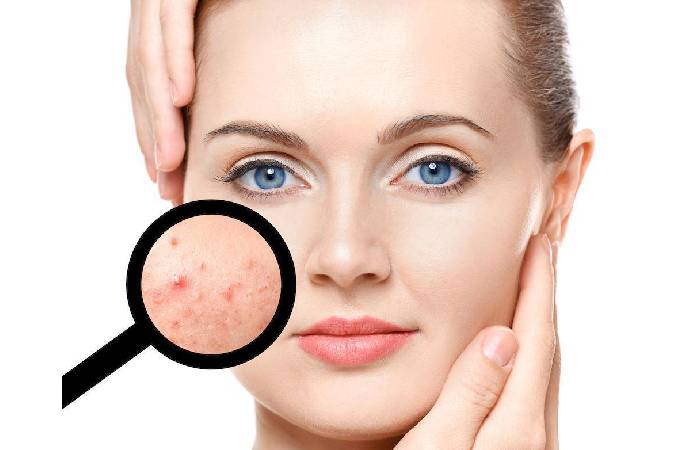
Adult acne can cause several types of skin lesions, including:
- Whiteheads: Small, closed clogged pores.
- Blackheads: Open clogged pores that appear dark because of changes in the material inside the pore, not simply dirt.
- Papules: Small, inflamed bumps.
- Pustules: Inflamed pimples containing pus.
- Nodules: Larger, deeper, and often painful lumps.
- Cysts: Deep inflammatory lesions that can be associated with scarring.
Repeated inflammation, picking, or squeezing pimples can increase the risk of lasting marks and scars. If you are concerned about long-term marks, read our guide to acne scarring.
Acne is different from other skin and nail conditions. For example, white spots on the nails may be associated with leukonychia, which is not a form of acne.
Treatment Options for Adult Acne
Adult acne treatment depends on the type and severity of the breakouts, your skin type, possible triggers, and any other health conditions.
A dermatologist may recommend over-the-counter treatments, prescription medications, or a combination of approaches.
Over-the-Counter Treatments
Common acne-fighting ingredients include:
- Benzoyl peroxide: Helps reduce acne-causing bacteria and may improve inflammatory breakouts.
- Adapalene: A topical retinoid that helps prevent clogged pores and treat different types of acne.
- Salicylic acid: Helps exfoliate inside pores and may be useful for blackheads and clogged pores.
Introduce active ingredients gradually and follow the product instructions. Using several treatments at once may cause dryness, peeling, or irritation.
If your skin feels tight or flaky, review your cleansing and moisturizing routine. Dryness may be worsened by harsh products or excessive treatment. Our article on the causes of skin dehydration explains some factors that can affect skin moisture.
Prescription Treatments
If over-the-counter products do not provide enough improvement, a healthcare professional may recommend prescription treatment, such as:
- Prescription topical retinoids, including tretinoin, to help prevent clogged pores.
- Oral antibiotics, for selected cases of moderate to severe inflammatory acne, generally for a limited period and alongside other treatments.
- Hormonal treatments, such as certain combined oral contraceptives or spironolactone, for appropriate patients.
- Oral isotretinoin, for selected cases of severe, scarring, or treatment-resistant acne under close medical supervision.
Some acne medications are unsuitable during pregnancy or require specific safety precautions. Discuss your medical history, current medications, and pregnancy plans with your healthcare professional before starting treatment.
How Long Does Acne Treatment Take to Work?
Acne treatments do not usually produce immediate results. Some people begin to notice improvement after around four to eight weeks, while more substantial improvement may take two to three months or longer.
The timeline depends on the treatment, acne severity, consistency of use, and individual response.
Continue treatment as directed, even if improvement is gradual. If your acne worsens significantly, causes painful deep lesions, or begins to leave scars, consult a dermatologist rather than relying only on home care.
Conclusion
Adult acne is common and can develop because of several factors, including hormonal changes, stress, genetics, certain medications, and skincare products. Although it can be frustrating, effective treatments are available for many types of acne.
A gentle skincare routine, suitable acne treatments, and avoiding picking or squeezing blemishes can help manage breakouts. If acne is persistent, painful, severe, or associated with possible hormonal symptoms, professional guidance can help you identify the cause and choose the right treatment.
With patience and an appropriate treatment plan, many people can achieve meaningful improvement in their acne and reduce the risk of future scarring.