
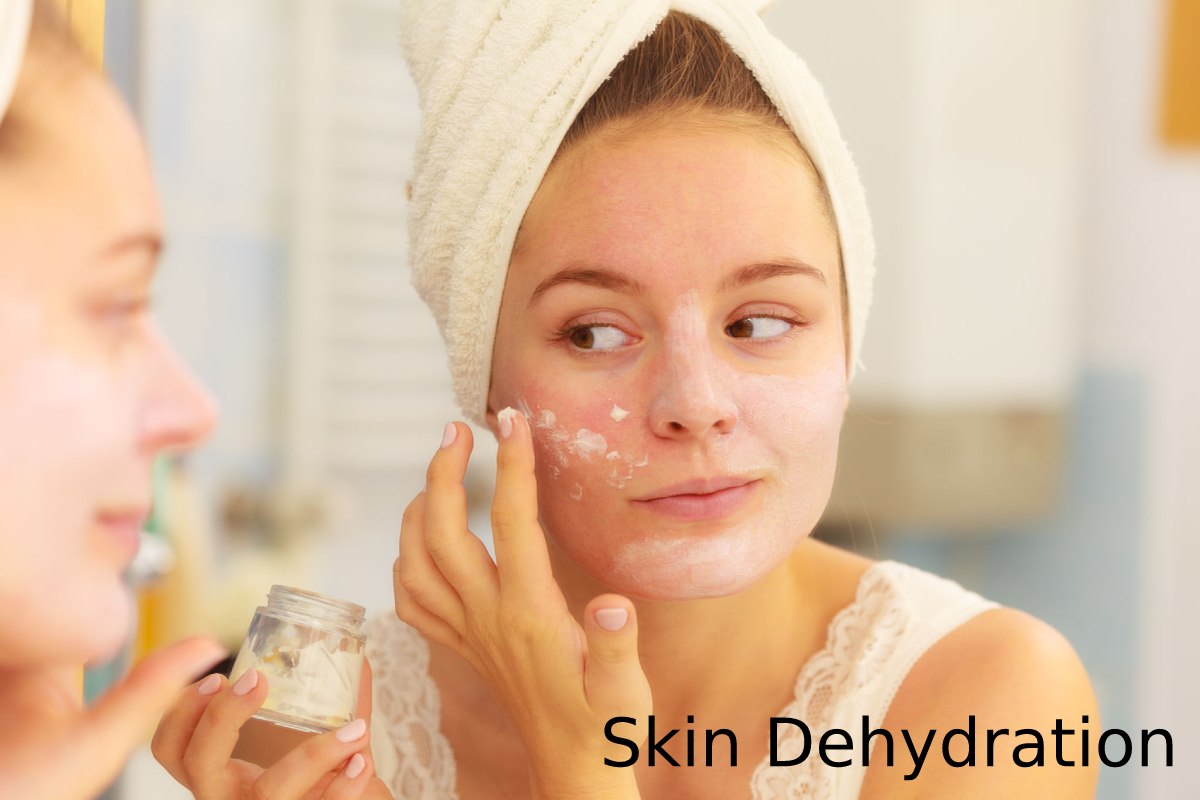
Skin dehydration is a common concern that can affect people with any skin type, including oily, dry, normal, and combination skin. It occurs when the skin lacks sufficient water, which can leave it feeling tight, rough, or uncomfortable. Environmental conditions, skincare habits, and certain lifestyle factors may contribute to dehydration.
Understanding the causes of skin dehydration can help you choose suitable skincare products and build a routine that supports the skin’s natural protective barrier.
Table of Contents
What Is Dehydrated Skin?
Dehydrated skin is skin that lacks water. It is different from dry skin, which generally refers to a skin type that produces less oil than needed to maintain its protective barrier.
The outermost layer of the epidermis, known as the stratum corneum, helps limit water loss and protects the body from external irritants. When this barrier is disrupted, water can escape more easily, contributing to tightness, roughness, flaking, and discomfort.
Unlike dry skin, dehydration is a condition that can affect any skin type and may improve when the underlying causes are addressed.
Common Symptoms of Dehydrated Skin
Dehydrated skin can appear and feel different from one person to another. Common signs include:
- Rough patches: The skin may feel uneven or less smooth than usual.
- Tightness: The face or body may feel tight after washing or showering.
- Flaking: Small flakes may appear when the skin’s surface becomes irritated or loses moisture.
- Dull complexion: The skin may look less radiant than usual.
- Reduced flexibility: The skin may feel less comfortable or supple.
- Increased sensitivity: Some people notice more irritation or discomfort when using skincare products.
These symptoms are not exclusive to dehydration. Conditions such as eczema, contact dermatitis, and other skin disorders can cause similar changes. Persistent or severe symptoms may require assessment by a healthcare professional.
What Causes Skin Dehydration?
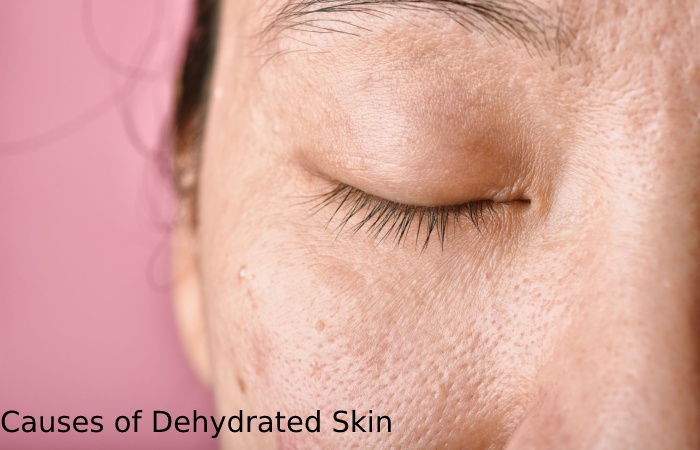
Skin dehydration can develop when water loss increases or when the skin barrier is unable to retain moisture effectively. Several environmental, lifestyle, and skincare factors may contribute.
Environmental exposure and an impaired skin barrier can contribute to dryness, tightness, and discomfort.
1. Weather Conditions
Environmental conditions can influence how well the skin retains moisture.
- Cold weather: Cold air and low humidity can contribute to water loss from the skin.
- Hot weather: Heat and sweating may leave the skin feeling uncomfortable, especially when combined with inadequate fluid intake or harsh cleansing.
- Air conditioning and heating: Indoor systems can reduce humidity, potentially increasing moisture loss from the skin.
- Pollution: Environmental pollutants may contribute to oxidative stress and skin irritation, although their effects vary.
Adjusting your skincare routine according to the season and environment can help support the skin barrier.
2. Internal and Lifestyle Factors
Certain lifestyle factors may also affect skin comfort and hydration.
- Stress: Stress can affect skin function and may aggravate some inflammatory skin conditions.
- Age: Skin barrier function and natural oil production can change with age, making some people more prone to dryness and irritation.
- Insufficient fluid intake: Not drinking enough fluids can contribute to dehydration throughout the body, although drinking extra water alone will not correct every skin hydration problem.
- Hot showers: Frequent hot showers may remove protective oils and increase dryness.
- Harsh skincare products: Strong cleansers, excessive exfoliation, and irritating ingredients can disrupt the skin barrier.
How Does the Skin Retain Moisture?
The skin contains several structures that work together to maintain hydration. The dermis, which lies beneath the epidermis, contains water, connective tissue, and blood vessels that support skin function. The epidermis forms the outer barrier, while the stratum corneum helps prevent excessive water loss.
Natural moisturizing factors within the outer skin layer attract water, while lipids help maintain the barrier between skin cells. When this barrier is damaged, water can escape more readily, resulting in increased dryness and discomfort.
For a deeper explanation of the skin’s structure, read our guide to the five layers of the epidermis.
What Moisturizes Dehydrated Skin Most Effectively?
A good skincare routine combines ingredients that attract water with ingredients that help reduce water loss. The most suitable products depend on your skin type, sensitivity, and the severity of dehydration.
Humectants
Humectants attract and hold water in the outer layers of the skin. Common examples include:
- Glycerin: Helps attract moisture and support skin hydration.
- Hyaluronic acid: Helps bind water and can improve the skin’s hydrated appearance.
- Urea: In suitable concentrations, helps hydrate and soften the skin.
- Panthenol: Helps support skin hydration and comfort.
Emollients
Emollients soften the skin and help smooth rough areas by filling spaces between skin cells. Ingredients such as ceramides and certain fatty acids can support the skin barrier.
Occlusives
Occlusive ingredients help reduce water loss by forming a protective layer on the skin. Petrolatum is one example. Other oils and butters may also help reduce moisture loss, although their effects and suitability vary.
Using a moisturizer that combines suitable humectants, emollients, and occlusive ingredients can help improve skin comfort and maintain hydration.
How to Take Care of Dehydrated Skin
A consistent, gentle routine can help the skin retain moisture while its protective barrier recovers.
1. Use a Gentle Cleanser
Choose a cleanser that removes dirt, sunscreen, and excess oil without leaving the skin feeling tight. Avoid overly hot water and aggressive scrubbing, which can worsen irritation.
2. Apply Moisturizer Regularly
Apply moisturizer after washing, while the skin is still slightly damp. This can help retain moisture. Choose a lightweight, non-comedogenic formula if you have oily or acne-prone skin, or a richer cream if your skin is very dry.
3. Avoid Over-Exfoliation
Frequent use of strong exfoliating acids, scrubs, or retinoids can irritate the skin and compromise its barrier. If your skin becomes tight, red, or unusually sensitive, consider reducing irritating products until it recovers. Seek professional advice if symptoms persist.
4. Protect Your Skin From Sun Exposure
Use broad-spectrum sunscreen with SPF 30 or higher and reapply as directed when outdoors. Sun exposure can damage the skin and contribute to premature aging, while sunburn can further irritate the skin barrier.
5. Adapt Your Routine to Your Skin Type
Oily skin can still be dehydrated, so skipping moisturizer may not be helpful. Choose products that provide hydration without feeling excessively heavy. If you have dry skin, a richer moisturizer may help reduce discomfort and water loss.
Skincare products should be selected according to your skin’s needs rather than assuming that one routine suits everyone.
Can Oils and Butters Help Dehydrated Skin?
Plant-derived oils and butters, such as shea butter, sweet almond oil, and argan oil, can help soften the skin and reduce moisture loss. However, they do not supply water in the same way that humectants do. They are generally most useful as part of a broader moisturizing routine.
People with oily or acne-prone skin should choose products carefully because some formulations may feel heavy or contribute to clogged pores in susceptible individuals. If a product causes new breakouts, itching, or irritation, discontinue it.
Skin dehydration and acne can occur together, but they are different concerns. Learn more about adult acne, its causes, symptoms, and treatment if you are also experiencing persistent breakouts.
Skin Dehydration and Acne Scarring
Dehydrated skin does not directly cause acne scars, but an impaired skin barrier can make the skin feel more sensitive and less tolerant of certain acne treatments. Harsh cleansing or excessive exfoliation may increase irritation, especially when using active ingredients.
If acne is active, it is important to manage breakouts while maintaining a gentle skincare routine. Once acne has healed, some people develop depressed or raised scars that require separate treatment. Our guide to acne scarring and treatment options explains the differences between scar types and the approaches that may help improve their appearance.
When Should You Seek Professional Advice?
Consider consulting a dermatologist or healthcare professional if your skin remains persistently dry, tight, itchy, inflamed, or flaky despite using gentle skincare products. These symptoms may be caused by eczema, contact dermatitis, or another condition that needs specific treatment.
Seek advice before introducing multiple active ingredients if your skin is sensitive or if you are already using prescription acne treatments. A professional can help identify potential irritants and recommend a routine appropriate for your skin.
Conclusion
Skin dehydration occurs when the skin lacks sufficient water or struggles to retain moisture effectively. It can affect every skin type and may be influenced by weather, low humidity, harsh skincare products, hot showers, and changes in the skin barrier.
A gentle cleanser, a suitable moisturizer, regular sun protection, and avoiding excessive exfoliation can help improve skin comfort and support hydration. Ingredients such as glycerin and hyaluronic acid attract water, while ceramides, emollients, and occlusive ingredients help maintain the skin barrier and reduce moisture loss.
By understanding your skin’s needs and choosing appropriate products, you can build a routine that supports healthier, more comfortable skin.