
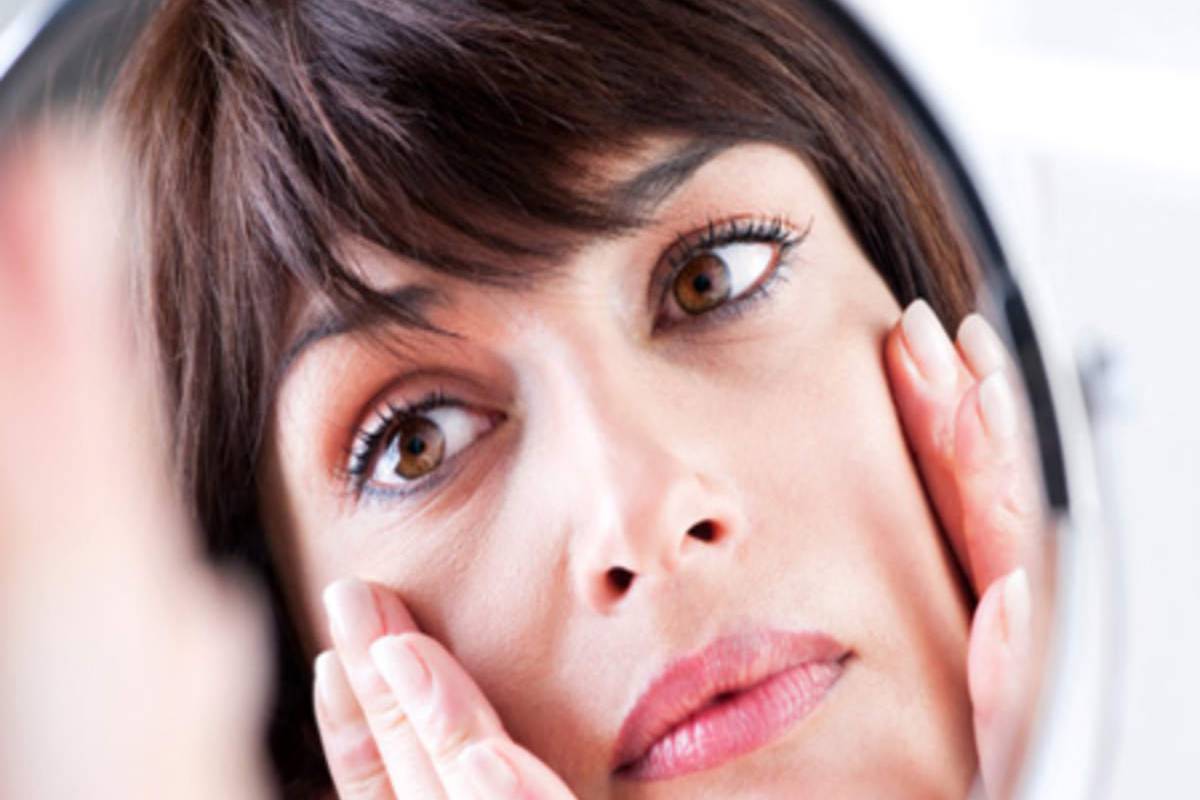
Your skin is your body’s first line of defense against environmental stressors, pollution, changing weather, and other external factors. Although it may seem delicate, your skin has a protective barrier that helps keep moisture in and irritants out. However, everyday habits and certain products can weaken this barrier, contribute to irritation, and affect your skin’s overall appearance.
Small changes to your daily routine can help protect your skin, maintain its natural moisture, and reduce the risk of breakouts and premature skin aging.

Table of Contents
1. The Hair Products You Use Can Clog Your Pores
If you frequently notice small bumps around your hairline, your hair styling products may be contributing to the problem. Some oils, pomades, gels, and conditioners can leave residue on the skin and clog pores, potentially leading to breakouts.
This type of breakout may appear along the forehead, temples, or hairline. To reduce the risk, choose products labeled non-comedogenic when possible, keep styling products away from your face, and wash your hairline regularly.
If you already experience frequent breakouts, learning about adult acne, its causes, and treatment options can help you understand possible triggers and appropriate skincare approaches.
2. Old Beauty Products May Irritate Your Skin
Your makeup drawer and bathroom shelves may contain products that are past their expiration dates or tools that haven’t been cleaned recently. Old cosmetics and contaminated makeup sponges or brushes can harbor microorganisms and may contribute to skin irritation or infection.
Using unsuitable or expired products may cause redness, itching, dryness, or acne-like bumps. To help protect your skin:
- Check product expiration dates and recommended periods after opening.
- Clean makeup brushes and sponges regularly.
- Avoid sharing makeup and applicators.
- Stop using products that cause persistent irritation.
- Store skincare products according to their instructions.
Replace products that have changed in smell, color, or texture, even if their expiration date has not passed.
3. Your Skin May React to Certain Foods
Food affects people differently, and some individuals notice changes in their skin after consuming particular foods. Research suggests that dairy products and foods with a high glycemic index may be associated with acne in some people, although the relationship is not the same for everyone.
Rather than eliminating entire food groups without a clear reason, pay attention to patterns between your diet and skin changes. A balanced diet with vegetables, fruits, whole grains, healthy fats, and adequate protein can support overall health.
If you suspect a specific food is triggering breakouts, consider discussing your concerns with a qualified healthcare professional or registered dietitian before making major dietary changes.
4. Skipping Sunscreen Can Contribute to Premature Skin Aging
Daily sun protection is an important part of maintaining healthy skin. Ultraviolet (UV) radiation can contribute to fine lines, wrinkles, uneven pigmentation, and other signs of premature skin aging. Repeated sun exposure can also increase the risk of skin cancer.
To protect your skin:
- Apply broad-spectrum sunscreen with SPF 30 or higher.
- Reapply it approximately every two hours when outdoors, and after swimming or sweating.
- Wear protective clothing, sunglasses, and a wide-brimmed hat.
- Seek shade when the sun is strongest.
- Remember that UV exposure can occur even on cloudy days.
Sunscreen should be part of your regular morning skincare routine, not something you use only during summer or at the beach.
5. Repeated Lip Pursing May Contribute to Lines Around the Mouth
Repeated movements, including pursing your lips while drinking through a straw, involve the muscles around your mouth. However, using a plastic straw alone is not established as a major cause of wrinkles.
Lines around the mouth can develop due to several factors, including natural aging, sun exposure, smoking, and changes in skin elasticity. Rather than worrying about occasional straw use, focus on consistent sun protection, avoiding smoking, and maintaining a suitable skincare routine.
6. Frequently Touching Your Face Can Worsen Breakouts
Touching your face is a common habit, whether you are rubbing your forehead, resting your chin on your hands, or moving hair away from your face. Frequent contact can transfer oil, dirt, and other substances to your skin. Picking or squeezing pimples may also increase inflammation and the risk of scarring.
To reduce unnecessary irritation:
- Wash your hands regularly.
- Avoid picking, squeezing, or scratching blemishes.
- Keep hair and styling products away from acne-prone areas.
- Use gentle cleansing products rather than scrubbing your skin aggressively.
If breakouts leave persistent marks or uneven texture, read more about acne scarring and the treatment options available.
7. Ignoring Skincare Ingredients Can Lead to Irritation
Checking the ingredients in your skincare products is important, particularly if you have sensitive or acne-prone skin. Fragrances, exfoliating acids, retinoids, and other active ingredients may cause irritation when they are unsuitable for your skin or used too frequently.
Silicones, which are commonly found in primers, moisturizers, and foundations, are generally considered safe for cosmetic use. They do not automatically cause clogged pores or collagen breakdown. However, a particular product may not suit every person, and heavy formulations or combinations of products may contribute to congestion for some skin types.
When choosing skincare products:
- Review the ingredient list and follow product instructions.
- Introduce new products one at a time.
- Patch-test products when appropriate.
- Avoid combining too many strong active ingredients at once.
- Stop using products that cause persistent burning, swelling, or irritation.
Understanding your skin’s protective structure can also help you make better choices. Learn about the five layers of the epidermis and how they support skin health.
Final Thoughts
Everyday habits can influence your skin’s comfort, appearance, and overall condition. Hair products that clog pores, contaminated makeup tools, frequent face touching, inadequate sun protection, and unsuitable skincare products may contribute to skin problems.
You do not need an elaborate routine to protect your skin. Gentle cleansing, regular moisturizing, daily sunscreen, clean makeup tools, and products suited to your skin type are practical places to start. If you experience persistent acne, severe irritation, or unexplained skin changes, consult a dermatologist for personalized advice.