
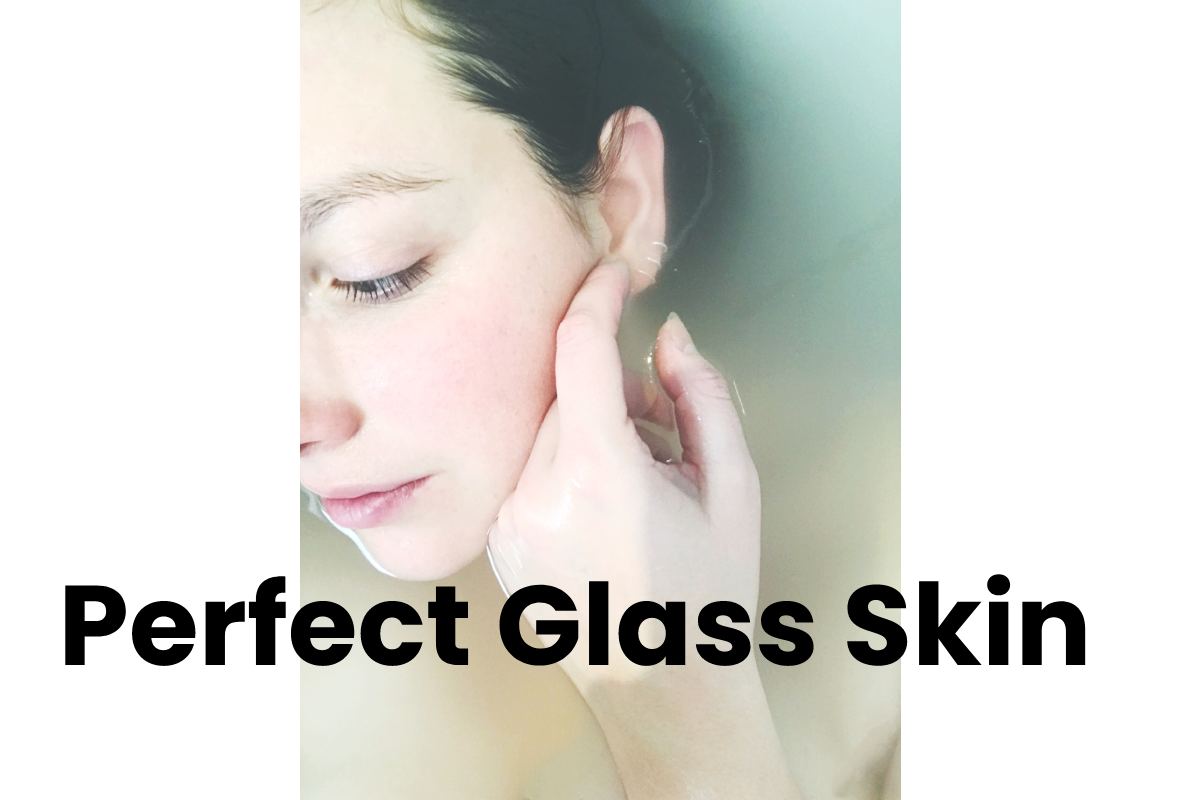
Glass skin is a popular K-beauty skincare trend that describes a complexion that looks exceptionally smooth, hydrated, even-toned, and radiant. The goal is to achieve a healthy, luminous appearance that reflects light naturally, creating a glass-like glow.
Unlike trends that promise instant results from a single product, glass skin focuses on consistent skincare, adequate hydration, and healthy lifestyle habits. Although everyone’s skin is different, a well-planned routine can help improve its softness, texture, and overall appearance.
Table of Contents
How to Get Glass Skin
Achieving glass skin involves more than applying multiple skincare products. The skin should feel smooth, appear hydrated, and have a healthy-looking glow. A consistent routine can help support these goals over time.
Hydrating ingredients such as hyaluronic acid and glycerin help attract water to the skin, while moisturizers help reduce moisture loss. Ingredients such as ceramides can also support the skin’s natural protective barrier.
Korean skincare routines often include toners, essences, serums, and sheet masks. However, you do not need every product to achieve hydrated, glowing skin. Choose products according to your skin type and concerns, and introduce new products gradually to reduce the risk of irritation.
Steps for Achieving Clear, Glowing, Glass-Like Skin
Step 1: Cleanse Your Skin
Cleansing removes sweat, excess oil, dirt, sunscreen, and makeup that accumulate throughout the day. Clean skin provides a good starting point for the rest of your skincare routine.
In the evening, you can use a cleansing oil or micellar water to remove sunscreen and makeup, followed by a gentle water-based cleanser if needed. This method is known as double cleansing.
If you have dry or sensitive skin, avoid harsh cleansers that leave your face feeling tight or uncomfortable. In the morning, a gentle cleanser—or simply rinsing with water, depending on your skin type—may be sufficient.
Step 2: Exfoliate Gently
Exfoliation helps remove dead skin cells from the skin’s surface, improving the appearance of rough texture and dullness. Depending on the product, exfoliation may also help unclog pores.
Chemical exfoliants, such as alpha hydroxy acids (AHAs) and beta hydroxy acids (BHAs), are common options. Gentle physical exfoliants are another choice, but abrasive scrubs can irritate some skin types.
Start with exfoliation once a week and increase frequency only if your skin tolerates it. Using exfoliating products too often can cause redness, dryness, and irritation. Avoid combining several strong exfoliating products in the same routine, especially if you have sensitive skin.
Step 3: Apply a Hydrating Toner
Unlike some traditional astringent toners, many modern Korean skincare toners are designed to hydrate and soothe the skin.
Look for formulas containing ingredients such as glycerin, hyaluronic acid, panthenol, or soothing botanical extracts. These can help the skin feel softer and more comfortable.
Some skincare routines use the “7 Skin Method,” which involves applying several thin layers of hydrating toner. However, applying up to seven layers is not necessary for everyone. One suitable layer may provide enough hydration, especially when followed by a moisturizer.
Step 4: Add an Essence
An essence is generally a lightweight skincare product designed to provide hydration and prepare the skin for the next steps in a routine. Many essences have a watery texture and contain humectants or soothing ingredients.
Choose an essence based on your skin’s needs. If your skin feels dry or dehydrated, a hydrating formula may be useful. If you are prone to irritation, look for a gentle product without unnecessary fragrance.
Remember that an essence is optional. A cleanser, moisturizer, and sunscreen can form a useful basic routine without additional steps.
Step 5: Use a Targeted Serum
Serums contain ingredients selected to address specific skincare concerns, such as dehydration, uneven skin tone, dullness, or visible signs of ageing.
Consider these ingredients when choosing a serum:
- Hyaluronic acid: Helps attract and retain water in the skin’s surface layers.
- Vitamin C: An antioxidant that may help improve the appearance of uneven skin tone.
- Ceramides: Help support the skin barrier and reduce moisture loss.
- Retinoids: Can help improve certain signs of ageing and acne, but may cause dryness or irritation when first introduced.
You do not need to use all these ingredients at once. Start with one product that addresses your main concern and follow its instructions. If you use retinoids, introduce them gradually and pay attention to irritation. People who are pregnant or trying to become pregnant should consult a healthcare professional before using retinoids.
Step 6: Moisturize
Moisturizer is an important part of a glass skin routine because it helps maintain hydration and supports the skin’s protective barrier.
Look for ingredients such as glycerin, hyaluronic acid, and ceramides. Choose a texture that suits your skin type: lightweight lotions or gels may feel comfortable on oily skin, while creams may work better for dry skin.
Apply moisturizer while your skin is slightly damp to help retain moisture. If you are prone to clogged pores, choose a product labelled non-comedogenic when possible.
Step 7: Apply Sunscreen Every Morning
Sunscreen is essential for protecting your skin from ultraviolet (UV) radiation. Daily sun protection helps reduce the risk of sun damage and premature skin ageing and can help prevent existing dark spots from becoming more noticeable.
Choose a broad-spectrum sunscreen with SPF 30 or higher, and reapply approximately every two hours when outdoors, as well as after swimming or heavy sweating.
For more advice on protecting your complexion during warmer weather, read our guide to expert summer beauty tips.
Lifestyle Habits That Support Glass Skin
A consistent skincare routine is only one part of maintaining a healthy-looking complexion. Everyday habits can also make a difference.
- Stay hydrated: Drink water regularly according to your needs.
- Eat a balanced diet: Include vegetables, fruits, whole grains, protein sources, and healthy fats.
- Get enough sleep: Consistent, adequate sleep supports general well-being.
- Manage stress: Relaxation and regular physical activity can support overall health.
- Avoid overusing products: Too many active ingredients can damage the skin barrier and cause irritation.
- Keep your routine consistent: Introduce new products gradually and give your routine time to work.
Beauty and appearance involve more than skincare alone. If you are interested in another common facial-hair question, read our guide on whether eyebrows are considered facial hair.
Remember that natural skin texture, pores, fine lines, and occasional blemishes are normal. The aim should be healthy, comfortable skin rather than a perfectly flawless appearance.
Conclusion
Glass skin is about achieving a smooth, hydrated, and radiant-looking complexion through consistent skincare and healthy habits. Gentle cleansing, appropriate exfoliation, hydrating products, moisturizer, and daily sunscreen can help support this goal.
You do not need an elaborate Korean skincare routine or expensive products to get started. Choose products suited to your skin type, introduce active ingredients carefully, and give your routine time to work.
If you experience persistent acne, redness, irritation, or other skin concerns, consider consulting a qualified dermatologist for personalized advice. With patience and a practical approach, you can work toward healthier-looking, naturally glowing skin.