
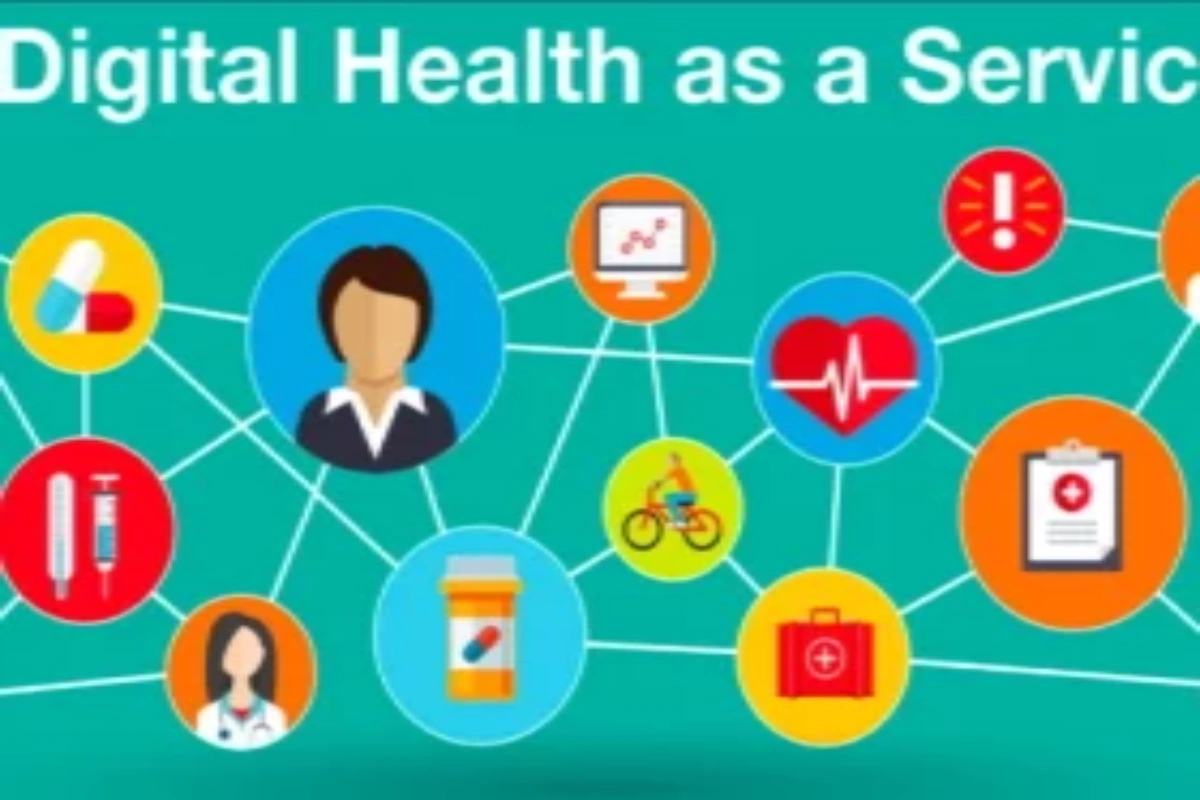
69% of Spaniards have used telemedicine services in the last year, and their use is expected to increase. Almost 80% of those surveyed believe they will use these services in the next 12 months. “Digital health services are here to stay,” emphasizes Pedro Díaz Yuste, CEO of Savio, in the presentation of the results of the “Digital Health Savio Radiography.”
The report shows that 71% of users manage medical consultations or learn about health and wellness-related matters online. Specifically, 54% of those surveyed already conduct their medical consultations remotely.
The most used services are electronic prescriptions (38%) and wearables (26%). However, next year, the forecast is that medical chat and video consultations will grow to almost double their current usage percentages. In any case, Díaz Yuste clarified, “each of the services will go further.”
Table of Contents
Most Used Services in Digital Health
Online Information
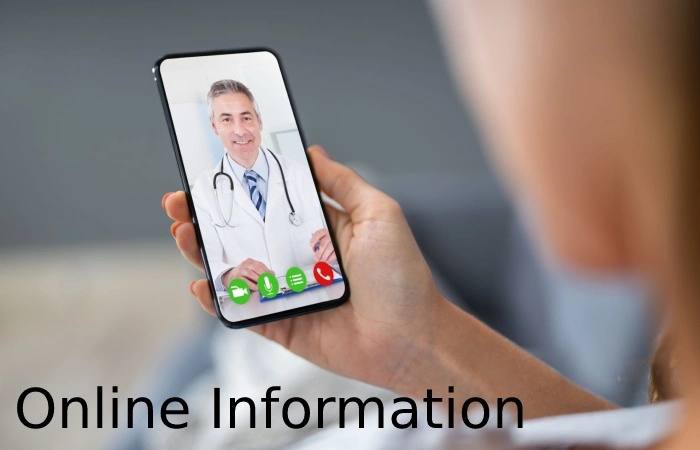
53% of users get information online about health and wellness. 43% of those surveyed point to fitness and healthy-living apps as their primary source of information, followed by the specialized press (42%), specialized forums (35%), and, finally, general media (30%).
Social networks are another major channel for Internet users to find health information, which is why 80% of users are willing to receive information about health and well-being on these platforms. This figure increases to almost 90% when asking respondents between 18 and 34.
Likewise, 50% of Spaniards would be willing to receive health and well-being information through influencers, a practice that is becoming increasingly established on social networks.
As digital healthcare continues to expand, patients may also encounter different forms of treatment and healthcare delivery, including infusion therapy, depending on their individual healthcare needs.
User Profile
Young people stand out as the user profile most open to acquiring digital health services, especially those related to health monitoring through wearables, with 34% compared with the general average.
The “Savio X-ray of Digital Health” shows a clear profile of the user who most uses telemedicine services today: women, young people, urban residents, and those with higher education.
What Do They Demand?
In addition to general care, users are particularly interested in digital health platforms offering consultations with specialist doctors and the option to obtain second medical opinions. On the other hand, quick access to results and medical histories, as well as the ease of requesting tests, are among the services users demand most.
Digital health platforms can also make it easier for people to research healthcare options and compare services. For example, patients may use online resources to learn about healthcare providers, specialized services, or dental clinics near me when looking for appropriate care.
Digital Health Is Already a Clear Option for Spaniards
Regarding the benefits perceived by users of digital health services, 85% of those surveyed see convenience as the main reason for using telemedicine tools. The most outstanding benefits include savings in waiting times, easier management of procedures, avoiding travel to health centers, and faster responses.
In addition, personalized attention and access to a comprehensive medical record also stand out as perceived benefits of digital health, with 55% of respondents highlighting these advantages.
Digital healthcare is also becoming connected with newer approaches to healthcare management and wellness services. Online healthcare companies and platforms, such as Mochi Health, reflect the growing interest in technology-supported healthcare services.
On the other hand, 24% of the people consulted indicate that not being able to receive direct care from specialists is one of the main factors that makes digital health platforms less attractive. The lack of personalized treatment and follow-up by the same professional are other perceived drawbacks.
Conclusion
The health sector is an essential part of everyone’s life. The pandemic highlighted the importance of the healthcare sector and the need for accessible, efficient medical services. Better technology in the field of health can help improve access, communication, monitoring, and the overall patient experience.
As healthcare systems increasingly rely on digital platforms, technology can also support areas such as healthcare administration, quality management, and risk adjustment. At the same time, digital tools can help people learn more about different healthcare services and make more informed decisions.
For people who require ongoing care or support, understanding options such as assisted living facilities can also be part of making informed healthcare and lifestyle decisions.
Digital health is therefore becoming an increasingly important part of modern healthcare. From telemedicine and online health information to remote monitoring and digital consultations, these services are likely to continue developing as technology becomes more integrated into everyday healthcare.
For vision-related healthcare, consumers may also encounter technology-supported services and established providers such as LensCrafters, demonstrating how digital tools are increasingly being incorporated into different areas of healthcare.