
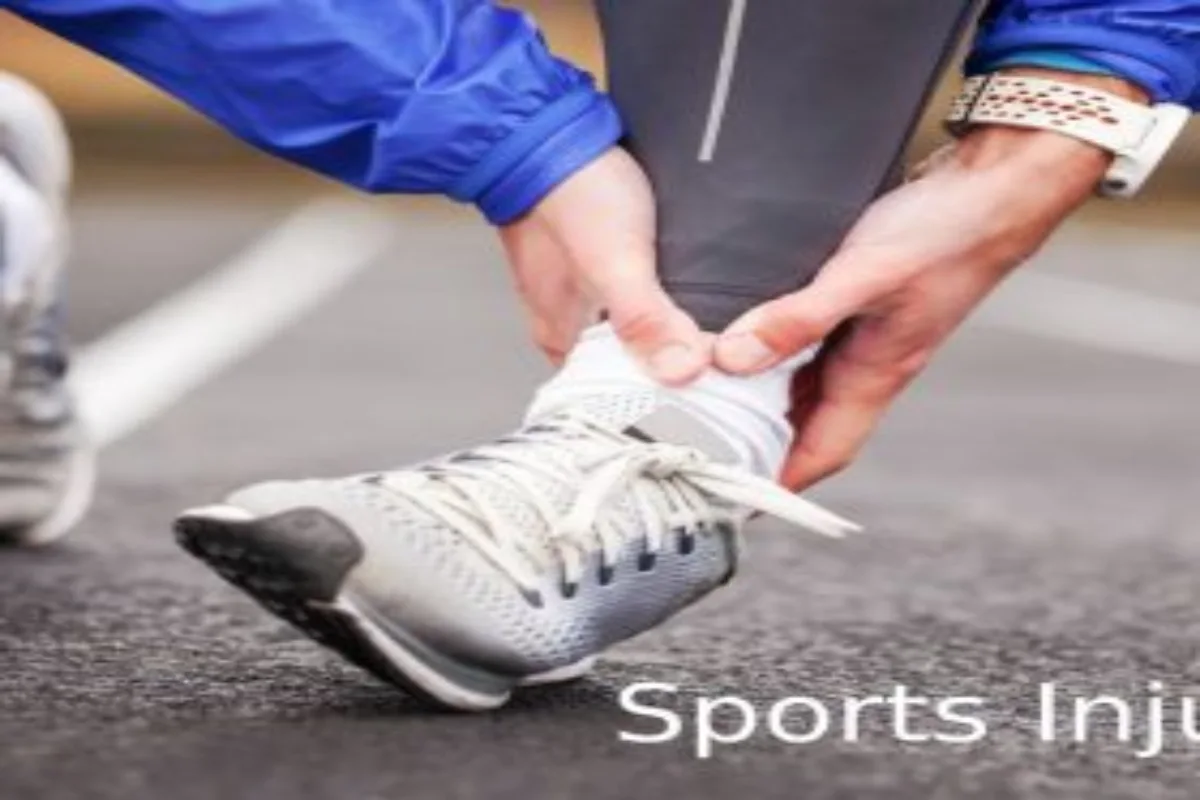
Our bodies are made for movement and an active life. However, missteps, sudden movements, and overloading can sometimes lead to sports injuries. Fortunately, many common problems, such as strains, bruises, muscle cramps, and overuse injuries, can be reduced by warming up properly, using appropriate techniques, and increasing activity gradually.
Table of Contents
Immediate Help for Sports Injuries
When a sports injury occurs, the first priority is to stop the activity and assess the injury.
- Pause: Stop exercising and give the injured body part a rest.
- Ice: A cold pack can temporarily reduce pain and swelling. Never apply ice directly to the skin.
- Compression: A properly applied elastic bandage can help control swelling. It should be snug but not so tight that it causes numbness, tingling, discoloration, or increased pain.
- Elevation: Elevating the injured body part above the level of the heart, when practical, may help reduce swelling.
For significant injuries, severe pain, deformity, loss of movement, or suspected fractures, seek medical attention rather than relying only on home treatment.
Muscle Strain, Bruises, or Hematoma
Abrupt changes of direction, quick stops, and sudden starts can push joints, ligaments, and muscles beyond what they are prepared to handle.
During a fast movement—for example, while changing direction during a football match—a muscle that has not been adequately warmed up or is already fatigued may become strained. A muscle strain can cause pain and may require a period of reduced activity while it heals.
Excessive twisting of the foot, hand, elbow, or knee after a jump or fall can also injure ligaments, tendons, or the joint capsule.
Crashes and hard landings can cause bruising as well. When small blood vessels beneath the skin or within soft tissue are damaged, blood can collect in the area and create a hematoma or bruise. This may be accompanied by pain, tenderness, and swelling.
When the Muscles Are Sore
Sometimes an activity as simple as gardening can leave you feeling sore the next day. Muscle soreness is common after unfamiliar or strenuous physical activity and is often referred to as delayed-onset muscle soreness (DOMS).
DOMS usually develops several hours after exercise and becomes more noticeable during the following one to three days. It is associated with microscopic muscle damage and the body’s inflammatory response to unfamiliar or strenuous exercise.
Although muscle soreness can be uncomfortable, it is generally temporary and improves as the muscles recover.
If you regularly experience muscle soreness after exercise, following appropriate ways to relieve sore muscles can help you manage discomfort and support recovery.
Muscle Cramps – Sports Injuries
Muscle cramps can occur during or after physical activity. They involve an involuntary and often painful tightening of a muscle.
Heavy sweating and inadequate fluid or electrolyte replacement can contribute to cramps, particularly during prolonged exercise or activity in hot conditions. However, cramps can have many possible causes, including muscle fatigue, certain medications, underlying health conditions, and exercising in unusual conditions.
If cramps occur frequently, are severe, or happen without an obvious cause, it is worth discussing them with a healthcare professional.
For an acute cramp, gently stretching and massaging the affected muscle may help it relax. Avoid forcing the muscle into a painful position.
3 Facts About Sore Muscles
- Sore muscles cannot always be avoided. When starting a new exercise or training a new muscle group, gradually increasing the intensity and volume can help reduce excessive soreness.
- Heat may provide temporary relief. A warm bath, shower, or other gentle heat may help relax stiff muscles and make soreness feel more manageable.
- Gentle movement can be useful. For ordinary muscle soreness, light activity may help you stay mobile. However, avoid intense training of muscles that are significantly sore and allow adequate recovery.
What to Do If It Hurts
Even if sports broadcasts show athletes continuing to play despite obvious pain, you should not ignore significant or sudden pain during exercise.
A sharp or stabbing pain in a muscle or joint is a signal to stop the activity and assess what has happened.
For a suspected acute soft-tissue injury, stop exercising and consider cold therapy and elevation if they are comfortable and appropriate. Compression may also help with swelling when applied correctly.
The traditional first-aid abbreviation PECH stands for:
- Pause
- Eis (Ice)
- Compression
- Hochlagern (Elevation)
However, first-aid recommendations can vary depending on the type and severity of the injury. For significant injuries, professional medical evaluation is important.
Movement and Warm-Up Training
Especially when participating in sports that involve sudden changes in direction, jumping, or rapid acceleration, an appropriate warm-up can help prepare the body for physical activity.
A good warm-up gradually increases body temperature, heart rate, and blood flow. Dynamic movements can also prepare the muscles and joints for the specific movements required by the sport.
Practicing sport-specific movement patterns can help improve coordination and control. Balance, strength, flexibility, and coordination exercises may also support overall physical performance.
Adequate recovery is equally important. Getting enough sleep gives the body time to recover after exercise. Understanding how much deep sleep you need can help you appreciate the importance of quality sleep as part of an active lifestyle.
Conclusion
The brain and body constantly work together to control movement, balance, and coordination. These sensorimotor skills can help you maintain stability and respond to unexpected movements during sports.
Preventing sports injuries involves more than simply warming up. Gradually increasing training intensity, using appropriate equipment and techniques, staying hydrated, getting enough sleep, and allowing adequate recovery can all support safer participation in physical activity.
Understanding your natural sleep-wake pattern may also help you build a consistent recovery routine. Your chronotype can influence when you naturally feel alert and sleepy, although maintaining enough total sleep remains important regardless of your chronotype.
If an injury causes severe pain, significant swelling, deformity, loss of movement, numbness, or an inability to put weight on the affected area, seek medical attention promptly.
For ordinary post-exercise soreness, gentle movement, adequate rest, hydration, sleep, and appropriate recovery strategies can help the muscles return to normal.