
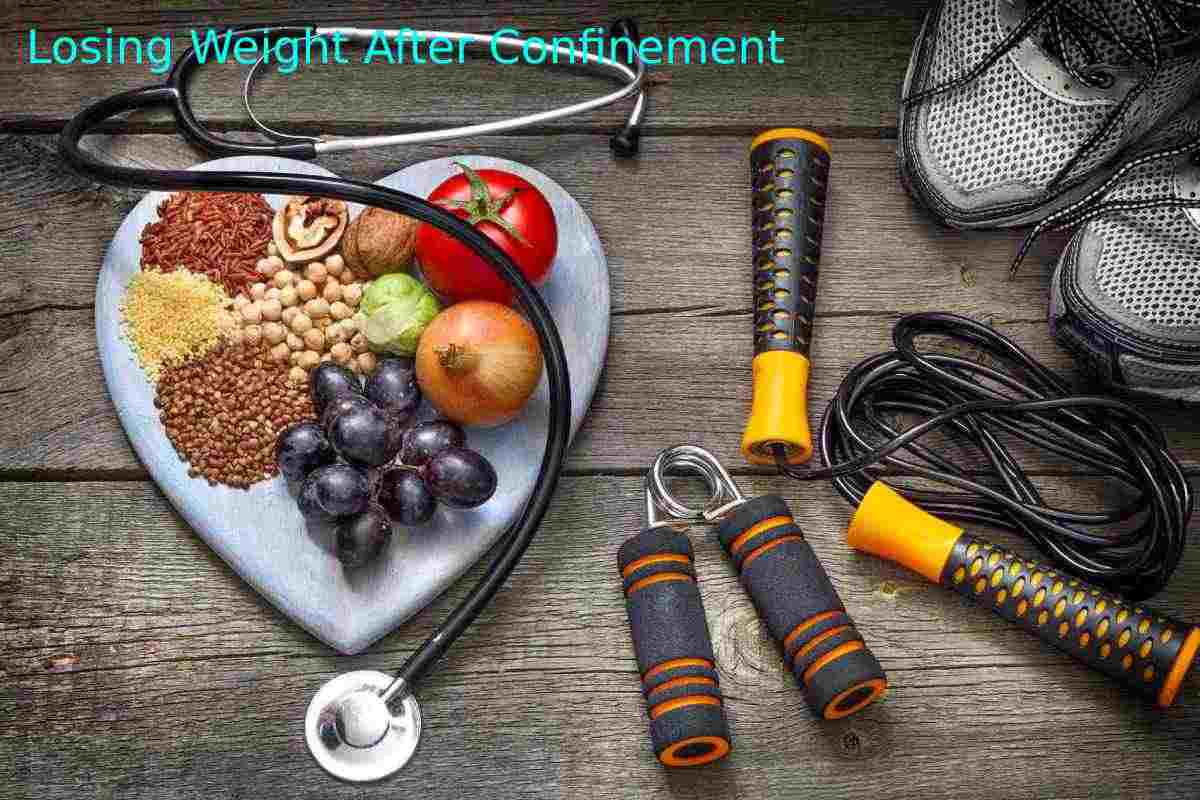
Food plays a very important role in our daily lives. We eat to nourish ourselves, find comfort, celebrate, spend time with family and friends, and share social experiences. Because food is connected to emotions, habits, culture, and lifestyle, weight management can involve many different factors.
For this reason, weight loss is not simply about eating less. Biological factors, eating patterns, physical activity, sleep, stress, emotions, environment, and lifestyle can all influence a person’s weight. A sustainable approach should consider these factors rather than focusing on a single solution.
Periods of reduced mobility or physical activity may also lead some people to snack more frequently or change their eating habits. However, these habits can be gradually changed through balanced nutrition, regular movement, appropriate sleep, and practical lifestyle adjustments.
Table of Contents
How Then to Proceed Naturally to Support Weight Loss?
Traditional Chinese medicine (TCM) takes a holistic approach to health. Some people use TCM as a complementary practice while working toward their health and weight-management goals.
An initial consultation may involve discussing a person’s eating habits, lifestyle, activity level, health history, and reasons for wanting to lose weight.
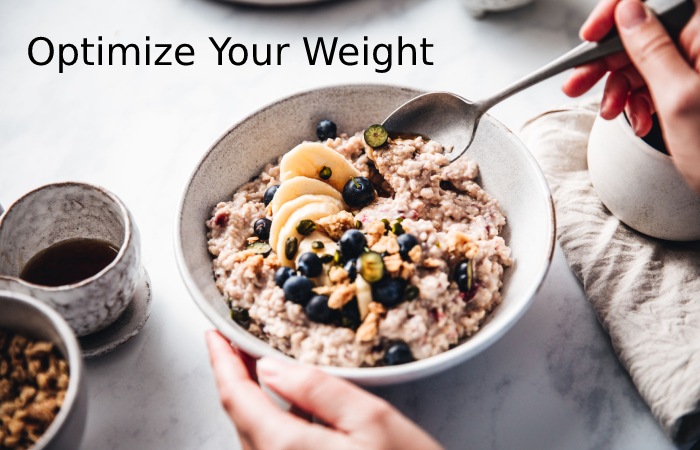
The next step may involve looking at the person’s relationship with food. For example:
- Do they frequently crave sugary foods?
- Do they regularly eat high-fat or highly processed foods?
- Do they tend to eat when stressed, bored, or upset?
- Do they frequently overeat?
- What situations or daily events trigger unhealthy eating habits?
Understanding these patterns can help identify practical changes that may support healthier eating habits. If someone experiences recurrent binge eating or feels unable to control their eating, professional support from a healthcare provider or mental health professional may be appropriate.
What Approaches Does TCM Offer for Weight Loss?
Traditional Chinese Medicine Offers a Range of Complementary Approaches
TCM includes several traditional practices that some people use as complementary approaches to general health and well-being. However, evidence for their effectiveness specifically for weight loss varies, and they should not replace evidence-based nutrition, physical activity, or medical treatment.
- Acupuncture and cupping: These practices are used in TCM for various health purposes. Claims that they directly increase metabolism, eliminate body fat, or remove “toxins” should be treated cautiously because strong evidence for these specific weight-loss effects is limited.
- Auriculopuncture: This involves stimulating points on the ear. Some studies have investigated acupuncture and related techniques for appetite and weight management, but results are mixed and more research is needed.
- Chinese dietetics: Traditional Chinese dietary practices may provide guidance on food choices, cooking methods, and eating patterns. These recommendations can be incorporated into a healthy diet when they meet an individual’s nutritional needs.
- Moxibustion: This traditional practice involves applying heat near specific acupuncture points. Although it is used in TCM for various purposes, there is insufficient evidence to consider it a proven method for reducing cravings or causing weight loss.
Anyone considering acupuncture, cupping, moxibustion, or other TCM practices should use a qualified practitioner and discuss them with a healthcare professional when appropriate.
Other Natural Methods to Support Your Weight Loss
In addition to complementary approaches, several lifestyle habits can support healthy weight management.
Essential oils are sometimes promoted for appetite control or relaxation, but they should not be considered proven weight-loss treatments. Some essential oils can also cause skin irritation or other problems if used incorrectly.
Similarly, Bach flower remedies are sometimes used for emotional well-being, but there is not strong evidence that they directly cause weight loss. If emotional eating is a concern, evidence-based approaches such as counseling or cognitive behavioral therapy may be more useful.
Physical Activity
Regular physical activity is an important part of a healthy weight-management plan. Choose activities that you enjoy and can maintain over time. Walking, cycling, swimming, resistance training, dancing, and other forms of exercise can all contribute to an active lifestyle.
Exercise can also support mood, cardiovascular health, muscle strength, and overall well-being.
Balanced Nutrition
Weight management is generally more sustainable when it involves a balanced eating pattern rather than extreme dieting. Focus on vegetables, fruits, whole grains, lean protein sources, legumes, and other nutrient-dense foods while limiting excessive intake of highly processed foods, added sugars, and excess saturated fat.
People interested in specific eating patterns can also learn more about intermittent fasting for women, although fasting is not appropriate or necessary for everyone.
When Additional Support May Be Helpful
If a person needs to lose a significant amount of weight, working with a registered dietitian or qualified healthcare professional can provide individualized guidance.
Depending on the person’s health, weight, medical history, and goals, a healthcare professional may also discuss evidence-based options such as structured lifestyle programs or, when appropriate, weight loss medication.
It is also useful to understand that different medications have different mechanisms, benefits, side effects, and eligibility requirements. More information about these options can be found in understanding weight loss medication.
For motivation, it can sometimes be interesting to look at examples of public figures who have discussed changes in their weight and lifestyle, such as the John Cena weight loss journey. However, individual weight-loss journeys should not be treated as universal models because people’s bodies, health conditions, diets, and exercise routines differ.
Addressing Emotional and Behavioral Factors
Weight management is not only about food and exercise. Stress, emotional health, sleep, and eating behaviors can all influence a person’s ability to maintain healthy habits.
If emotional eating, anxiety, depression, or other psychological factors are affecting eating habits, it may be helpful to work with an appropriate mental health professional. Approaches such as psychotherapy, mindfulness, meditation, or stress-management techniques may complement a broader weight-management plan.
TCM and other complementary practices may also be used by some people, but they should complement rather than replace appropriate medical and psychological care.
Conclusion
Losing weight can be an important health goal for people who are overweight or living with obesity, but healthy weight management should focus on sustainable habits rather than rapid results.
A balanced diet, regular physical activity, adequate sleep, stress management, and appropriate professional support can all contribute to long-term health. There is no single method that works for everyone, and individual goals should take into account health conditions, medications, lifestyle, and personal preferences.
Traditional Chinese medicine may be used as a complementary approach by some people, but claims about acupuncture, cupping, essential oils, or other traditional methods should be evaluated carefully. For significant weight loss or obesity-related health concerns, consult a qualified healthcare professional for evidence-based guidance and an individualized plan.