

The formula for clear, healthy-looking skin may seem simple, but many factors influence the appearance and condition of our skin. Genetics, hormones, skincare habits, sleep, stress, environment, and nutrition can all play a role.
Although diet is not the only factor that affects skin health, what you eat may influence inflammation, blood sugar regulation, and certain skin conditions. If you are prone to blackheads, pimples, or acne, following a balanced eating pattern may complement an appropriate skincare routine and medical treatment when needed.
Here are some nutritional tips and dietary habits that may support healthier skin.
Table of Contents
More Green Vegetables
For many people, green vegetables are an important part of a healthy diet and may also support overall skin health. They contain a variety of vitamins, minerals, fiber, and plant compounds.
Green vegetables contain chlorophyll, the pigment responsible for their green color. Although chlorophyll has been studied for various biological effects, there is not enough evidence to say that eating chlorophyll-rich foods directly clears acne or reduces skin inflammation.
Nevertheless, adding more vegetables to your diet is a simple way to increase your intake of essential nutrients.
Good choices include:
- Arugula
- Spinach
- Broccoli
- Green bell peppers
- Kale
- Other leafy green vegetables
These foods can provide nutrients that contribute to overall health, including vitamins C and K, folate, carotenoids, and fiber.
For additional guidance on getting essential nutrients from a balanced diet, see these nutrients in your diet tips.
Choose Fewer High-Glycemic Foods
The glycemic index (GI) describes how quickly a carbohydrate-containing food can raise blood glucose levels compared with a reference food. Glycemic load (GL) also takes into account the amount of carbohydrate in a typical serving.
Foods with a high glycemic impact can include some refined grains, sugary foods, and certain highly processed carbohydrates. Eating large amounts of these foods may cause larger or faster changes in blood glucose levels.
This may also be relevant to acne. Some research suggests that diets with a lower glycemic load may help reduce acne severity in some people, although diet is only one factor involved in acne development.
Rather than eliminating all carbohydrates, focus on choosing minimally processed, fiber-rich carbohydrate sources and balancing meals with protein and healthy fats.
Foods With a Lower Glycemic Impact May Include:
- Whole-grain bread
- Non-starchy vegetables such as cauliflower and leafy greens
- Avocado
- Olives
- Beans and lentils
- Other minimally processed, fiber-rich foods
Carbohydrates are an important source of energy, so they do not necessarily need to be avoided for healthy skin. Learn more about the benefits of carbohydrates and how they can fit into a balanced diet.
More Foods With Antioxidants
Antioxidants and oxidative stress are often discussed in relation to skin health. Oxidative stress occurs when there is an imbalance between free radicals and the body’s antioxidant defenses.
Factors such as smoking, excessive alcohol consumption, poor sleep, environmental stressors, and other lifestyle factors can contribute to oxidative stress.
A diet rich in fruits and vegetables provides antioxidants and other beneficial plant compounds. Vitamins C and E, for example, have antioxidant functions in the body.
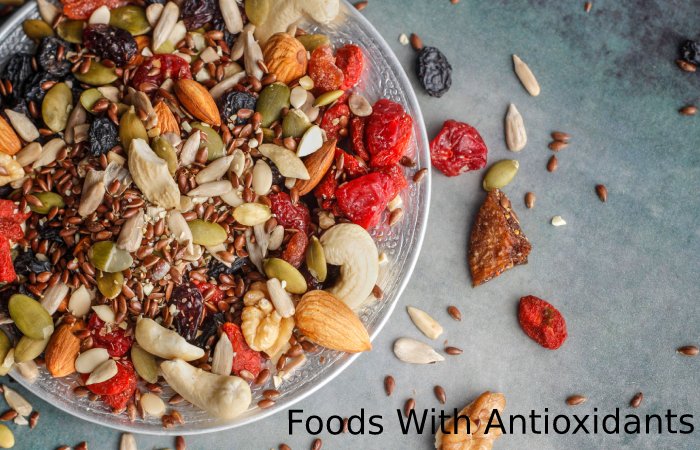
Good food choices include:
- Fruits: Berries, oranges, grapefruit, kiwi, and other colorful fruits
- Vegetables: Tomatoes, leafy greens, peppers, and other vegetables
- Nuts and seeds: Almonds, walnuts, sunflower seeds, and other varieties
- Plant oils: Oils such as olive oil and other unsaturated plant oils
Rather than relying on a single “superfood,” aim for variety. Eating different fruits, vegetables, nuts, seeds, and other minimally processed foods can provide a broad range of nutrients.
Consider Your Dairy Intake
The relationship between dairy products and acne is still being studied. Some observational studies have found an association between certain dairy products, particularly milk, and a higher likelihood of acne in some populations.
However, this does not mean that dairy products cause acne in everyone. Factors such as the type and amount of dairy consumed, overall diet, genetics, and individual susceptibility may influence the relationship.
Hormonal and metabolic pathways have been proposed as possible explanations for the association, but the evidence is not strong enough to recommend that everyone with acne completely eliminate dairy.
If you notice that certain dairy products appear to worsen your acne, you can discuss dietary changes with a healthcare professional or registered dietitian.
Dairy products can also provide important nutrients, including calcium and protein, so eliminating them without suitable replacements may make it harder to meet nutritional needs. For people who reduce dairy, fortified plant-based alternatives can be considered.
Protein and Skin Health
Protein is another important part of a balanced diet because the body needs amino acids to build and repair tissues, including skin.
Good protein sources include fish, eggs, poultry, beans, lentils, dairy products, soy foods, nuts, and seeds. Your individual protein requirements depend on factors such as age, body size, activity level, and health status.
You can learn more about protein requirements and how much protein may be appropriate for different needs.
Conclusion
Nutrition is only one part of maintaining healthy skin, but a balanced diet can provide nutrients that support overall health and normal skin function.
If you are prone to acne or blemishes, consider eating more vegetables, fruits, whole grains, legumes, nuts, and seeds while limiting excessive amounts of highly processed and high-glycemic foods.
Some people may also notice a connection between their acne and particular foods, including certain dairy products. However, dietary responses are individual, and eliminating entire food groups is not always necessary.
A healthy diet should complement—not replace—appropriate skincare and medical treatment. If acne is persistent, painful, severe, or leaving scars, consider speaking with a dermatologist for personalized treatment.