
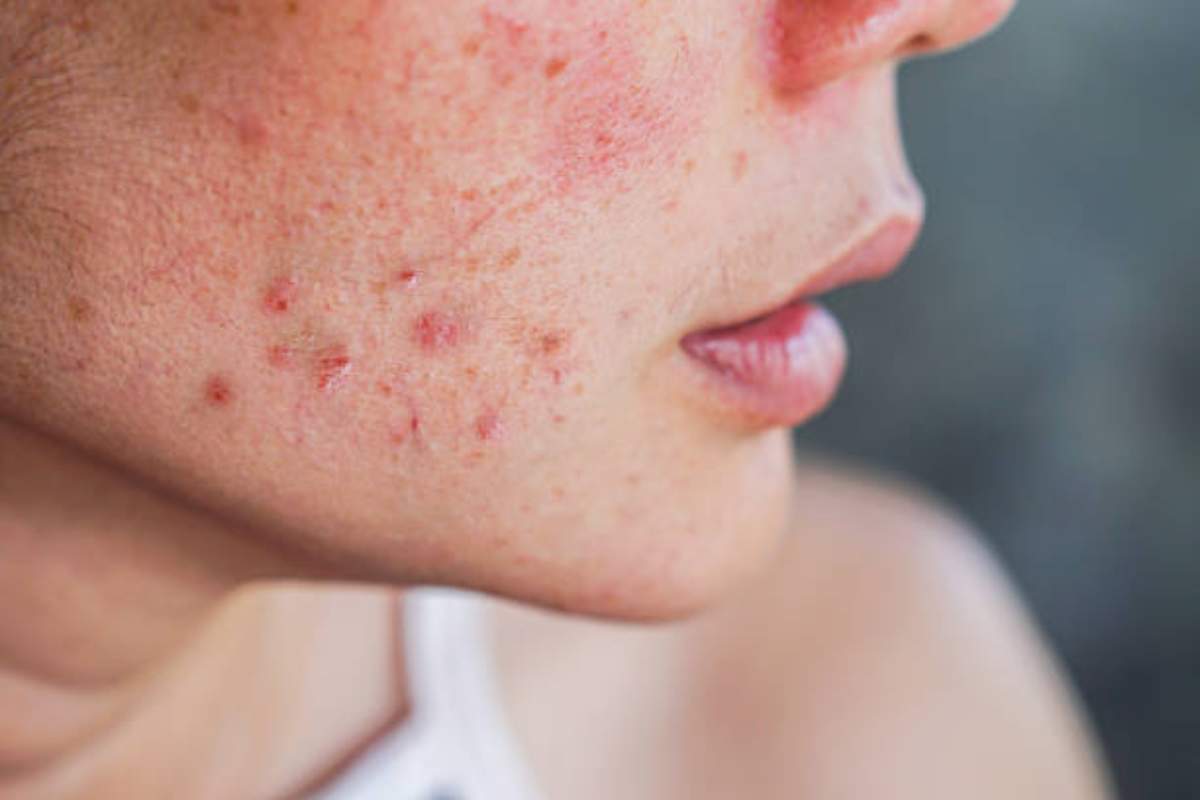
Acne is a common skin condition that causes inflamed lesions, ranging from mild blemishes to deep, painful cysts. It develops when hair follicles become clogged with oil (sebum), dead skin cells, and other debris. Although acne is particularly common among teenagers and young adults, it can also affect adults. One of its most challenging long-term effects is scarring, which can occur when inflammation damages deeper skin tissue and interferes with normal collagen production.
Effective acne management may involve topical treatments, oral medications, and lifestyle changes suited to an individual’s skin. However, when scars remain after breakouts have healed, additional treatments may be considered. Options include chemical peels, laser therapy, dermal fillers, and microneedling. The best approach depends on the type and severity of the scars and a professional assessment of the skin.
Table of Contents
What Is Microneedling for Acne Scars?
Microneedling, also known as collagen induction therapy, is a cosmetic procedure that uses fine, sterile needles to create controlled micro-injuries in the skin. These tiny punctures stimulate the body’s natural wound-healing response, encouraging collagen production and tissue remodeling over time.
Collagen and elastin are proteins that help maintain skin structure, firmness, and flexibility. When acne damages the deeper layers of the skin, changes in collagen can contribute to uneven texture and depressed scars. Microneedling may help improve the appearance of certain acne scars by supporting the skin’s repair process.
The procedure is commonly performed by trained professionals using specialized devices. Although derma rollers and microneedling pens are marketed for home use, at-home procedures that puncture the skin can increase the risk of infection, irritation, pigmentation changes, and further scarring. Professional guidance is especially important for people with active acne or a history of raised scars.
How Does Microneedling Work?
Microneedling stimulates the skin’s natural repair process through several stages.
1. Creating Controlled Micro-Injuries
A microneedling device creates tiny punctures in the skin. These controlled injuries activate the wound-healing response and may help improve the appearance of certain depressed acne scars over a series of treatments.
The procedure targets the dermis, which contains collagen and elastin that support the skin’s structure. Understanding the skin’s structure, including the five layers of the epidermis, helps explain how the different layers contribute to skin health and repair.
2. Activating the Healing Response
After treatment, the body initiates its normal healing process. Immune cells help manage inflammation and clear damaged material, while signaling molecules help coordinate tissue repair. The extent of this response depends on the treatment depth, the individual’s skin, and the procedure used.
3. Encouraging Collagen Production
Fibroblasts are specialized cells in the dermis that produce collagen and other components of the skin’s supporting structure. During healing, these cells help repair treated tissue. Over time, collagen remodeling may improve skin texture and reduce the visibility of certain acne scars.
Results develop gradually rather than immediately. Multiple sessions may be needed, and a qualified professional should determine the appropriate treatment schedule.
Types of Acne Scars
Acne can leave different types of marks, and identifying them is important when choosing treatment.
Atrophic Acne Scars
Atrophic scars are depressions in the skin that develop when insufficient supporting tissue forms during healing. Microneedling may help improve some of these scars by stimulating collagen remodeling.
Common types include:
- Ice-pick scars: Deep, narrow indentations that extend into the skin.
- Boxcar scars: Broad, round or rectangular depressions with clearly defined edges.
- Rolling scars: Wider, wave-like depressions that give the skin an uneven appearance.
Rolling and some boxcar scars may respond to microneedling, while deep ice-pick scars can be more difficult to treat and may require other procedures or a combination of treatments.
Hypertrophic and Raised Scars
Hypertrophic scars develop when excess collagen produces raised tissue. These scars need a different treatment approach from depressed scars. Microneedling is not suitable for everyone with raised scarring, and people who are prone to keloids should seek specialist advice before considering it.
Post-Inflammatory Hyperpigmentation
Post-inflammatory hyperpigmentation refers to flat, dark marks left after acne-related inflammation has settled. These marks are not true scars because they do not necessarily involve changes in skin texture. Sun protection and suitable topical treatments may help them fade. Microneedling is not always necessary and can worsen pigmentation in some skin types if performed inappropriately.
For more information about acne in adulthood, its symptoms, causes, and management, read our guide to adult acne.
Research on Microneedling for Acne Scars
Clinical studies suggest that microneedling can improve the appearance of some atrophic acne scars and uneven skin texture. Small studies have reported improvements after multiple treatment sessions, although results vary depending on the study design, treatment method, scar type, and individual response.
Some research suggests that rolling and boxcar scars may respond more favorably than deep ice-pick scars. Temporary side effects, such as redness, swelling, tenderness, and mild discomfort, have also been reported.
Research involving skin biopsies has examined changes in collagen production following microneedling. However, reported improvement percentages should be interpreted cautiously because studies may include small groups of participants and use different treatment protocols and methods of measuring results. Larger, well-designed studies are needed to establish how outcomes compare across different treatments.
Microneedling has also been investigated for certain surgical scars. However, findings from studies involving surgical scars do not necessarily mean that the same results can be expected for every type of acne scar.
Can Serums Enhance Microneedling Results?
Some clinics combine microneedling with topical products intended to support skin recovery. However, a serum’s suitability depends on its ingredients, formulation, safety, and whether it is specifically intended for use with the procedure.
Ingredients such as vitamin A derivatives and vitamin C may be included in skincare plans, but they should not automatically be applied to freshly treated skin. Some ingredients can cause irritation when the skin barrier has been temporarily disrupted.
Products marketed with growth factors, exosomes, stem-cell-derived ingredients, or other regenerative components may claim to enhance collagen production. However, evidence for these products varies, and claims that they reliably multiply microneedling results or substantially eliminate scars require strong clinical support.
The safety and quality of a product are particularly important when the skin has been punctured. A qualified healthcare professional can advise which products, if any, are appropriate before and after treatment. Avoid applying unapproved serums or products not designed for use with microneedling to freshly treated skin.
Potential Benefits of Microneedling
When appropriately selected and performed by a qualified professional, microneedling may offer several benefits:
- Improved skin texture: It may reduce the appearance of certain depressed scars and uneven areas.
- Collagen remodeling: The healing response can encourage changes in the skin’s supporting structure.
- Gradual improvement: Results may develop over several weeks or months as the skin heals.
- Personalized treatment: A professional can adjust the treatment plan according to the individual’s scar type and skin condition.
Microneedling does not guarantee complete scar removal. Some scars may improve only modestly, and deeper scars may require a combination of treatments.
Risks, Side Effects, and Aftercare
Temporary redness, swelling, tenderness, pinpoint bleeding, and mild discomfort can occur after microneedling. Less common but more serious complications include infection, persistent pigmentation changes, prolonged irritation, and additional scarring.
To reduce risks, treatment should be performed using appropriate sterile equipment by a trained professional. People with active inflammatory acne, skin infections, certain skin conditions, or a history of keloid formation may need to avoid microneedling or obtain specialist advice first.
After treatment, follow the provider’s aftercare instructions. These may include using gentle skincare products, avoiding harsh exfoliants and irritating active ingredients until the skin has recovered, and protecting the skin from sunlight. Do not pick at peeling skin or apply products that have not been approved for post-procedure use.
When Should You Consult a Dermatologist?
A dermatologist can assess whether the marks are atrophic scars, raised scars, pigmentation, or another skin concern. This distinction matters because each may require a different treatment.
If acne is still active, controlling breakouts is often an important first step in preventing new scars. Treatment may involve topical products, oral medications, or other options based on the severity of the condition. People with persistent acne, painful nodules, or recurring breakouts should seek medical advice rather than relying only on cosmetic procedures.
Changes in the nails, such as white spots or patches, are separate from acne scarring. Our guide to leukonychia and white marks on the nails explains this nail condition and why its causes differ from those of acne lesions.
Final Thoughts
Microneedling may be a useful option for improving the appearance of certain acne scars, particularly some depressed scars and uneven skin texture. By stimulating the skin’s natural repair response, it can encourage collagen remodeling and gradual changes in scar appearance. However, results vary, and deep or raised scars may need alternative treatments.
The safest approach is to consult a qualified dermatologist or appropriately trained medical professional who can assess your skin, discuss realistic expectations, and recommend a suitable treatment plan. Consistent skincare and sun protection can support skin health, but no procedure or serum can guarantee complete scar removal.