
The Mediterranean diet has gained significant popularity because of its emphasis on nutritious foods, variety, and enjoyable eating habits. This eating pattern is inspired by traditional dietary practices found in countries bordering the Mediterranean Sea.
The Mediterranean diet emphasizes vegetables, fruits, whole grains, legumes, nuts, seeds, fish, olive oil, and other minimally processed foods. It also allows moderate amounts of poultry, eggs, and dairy products, depending on individual preferences and regional traditions.
This article explores the Mediterranean diet food list, highlights some of its key ingredients, and explains why this eating pattern is associated with several potential health benefits.
The Mediterranean diet can be a practical choice for people who want to improve overall dietary quality, support cardiovascular health, maintain a healthy weight, and develop sustainable eating habits.
Table of Contents
Mediterranean Diet Food List
Fruits and Vegetables
The Mediterranean diet emphasizes a wide variety of vegetables and fruits. Fresh, seasonal produce is commonly included in meals and snacks.
Examples include:
- Tomatoes
- Cucumbers
- Bell peppers
- Eggplants
- Spinach
- Kale
- Broccoli
- Oranges
- Grapes
- Strawberries
- Apples
- Berries
These foods provide fiber, vitamins, minerals, and numerous plant compounds. Eating a diet rich in vegetables and fruits is associated with better overall dietary quality and may contribute to a lower risk of several chronic diseases.
Whole Grains

Whole grains can be an important part of the Mediterranean diet. Examples include:
- Whole-wheat bread
- Whole-grain pasta
- Brown rice
- Oats
- Barley
- Whole-grain cereals
Whole grains retain more of the grain’s natural components than refined grains and can provide fiber, vitamins, minerals, and other beneficial nutrients.
Fiber can support digestive health and may also contribute to healthy cholesterol levels and better blood glucose regulation.
If you are interested in diets that restrict grains, you can also learn more about a grain-free diet, although a grain-free diet is not required to follow a Mediterranean-style eating pattern.
Legumes
Legumes are another important part of Mediterranean-style eating. They provide plant-based protein, fiber, vitamins, and minerals.
Common examples include:
- Chickpeas
- Lentils
- Kidney beans
- Black beans
- Fava beans
- Peas
Legumes can be used in soups, stews, salads, dips, and side dishes. Their combination of protein and fiber can also help make meals more filling.
Healthy Fats
The Mediterranean diet generally emphasizes unsaturated fats instead of relying heavily on saturated and trans fats.
Extra-virgin olive oil is a major source of dietary fat in many Mediterranean-style diets. It contains predominantly monounsaturated fat along with other plant compounds.
Other sources of unsaturated fats include:
- Avocados
- Almonds
- Walnuts
- Pistachios
- Flaxseeds
- Chia seeds
Replacing some sources of saturated fat with unsaturated fats can support healthier blood lipid profiles and cardiovascular health.
Fish and Seafood
Fish and seafood are important protein sources in many Mediterranean dietary patterns.
Examples include:
- Salmon
- Sardines
- Mackerel
- Tuna
- Trout
- Shellfish
Fatty fish such as salmon and sardines provide omega-3 fatty acids. Regular consumption of fish as part of an overall balanced diet is associated with cardiovascular benefits, although the effects depend on the overall dietary pattern and individual health factors.
Poultry and Eggs
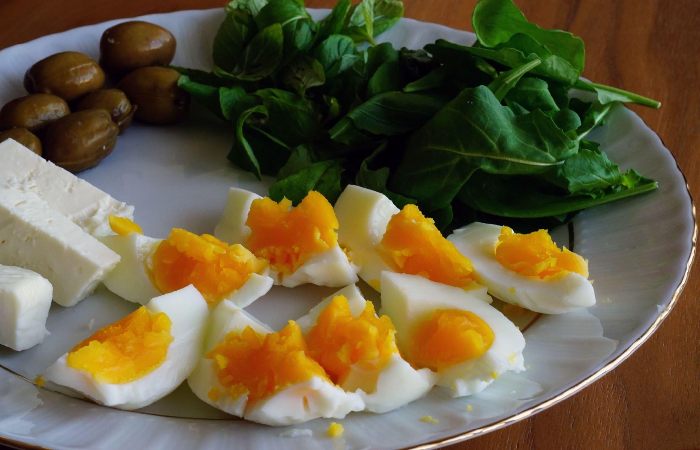
Although the Mediterranean diet places greater emphasis on plant foods and seafood, poultry and eggs can also be included in moderate amounts.
Chicken and turkey provide protein and other nutrients, while eggs provide protein, vitamins, minerals, and healthy fats.
The Mediterranean approach does not require completely eliminating animal products. Instead, it generally emphasizes variety and moderation.
Dairy Products
Dairy products such as yogurt and cheese can be included in a Mediterranean-style diet, often in moderate amounts.
Examples include:
- Greek yogurt
- Plain yogurt
- Feta
- Other traditionally produced cheeses
Dairy foods can provide protein and calcium. Yogurt containing live cultures may also contribute beneficial microorganisms to the diet.
Rather than assuming that everyone needs low-fat dairy, choose products according to your nutritional needs, preferences, and overall dietary pattern.
Herbs and Spices
Herbs and spices are important in Mediterranean cuisine because they add flavor without relying heavily on salt or highly processed sauces.
Popular choices include:
- Basil
- Oregano
- Rosemary
- Thyme
- Garlic
- Parsley
- Cinnamon
Many herbs and spices contain antioxidant and other biologically active compounds. However, they should be viewed as part of an overall nutritious diet rather than as standalone treatments for disease.
Mediterranean Diet and Sustainable Eating
One of the strengths of the Mediterranean dietary pattern is its flexibility. It can be adapted to different cultures, budgets, food preferences, and seasonal availability.
A sustainable approach to eating does not require following an exact menu every day. Instead, it focuses on choosing nutritious foods that can realistically be purchased, prepared, and enjoyed over time.
You can learn more about developing practical long-term habits through our guide to sustainable eating.
Mediterranean Diet vs. Keto Diet
The Mediterranean diet and ketogenic diet have very different approaches to carbohydrates.
The Mediterranean diet commonly includes whole grains, legumes, fruits, and other carbohydrate-containing foods. The ketogenic diet, on the other hand, significantly restricts carbohydrates and emphasizes higher fat intake.
Neither eating pattern is automatically appropriate for everyone. The best dietary approach depends on individual health needs, goals, preferences, and ability to maintain the eating pattern.
For more information about the low-carbohydrate approach, see our guide to the keto diet.
Conclusion
The Mediterranean diet food list includes a wide variety of nutritious and flavorful foods. Vegetables, fruits, whole grains, legumes, nuts, seeds, olive oil, fish, and other minimally processed foods form the foundation of this dietary pattern.
Poultry, eggs, and dairy products can also be included in moderate amounts, depending on personal preferences and dietary needs.
Rather than requiring strict rules, the Mediterranean diet encourages variety, balance, and an emphasis on nutrient-dense foods. Its flexibility can make it easier for many people to maintain over the long term.
By incorporating more vegetables, fruits, whole grains, legumes, healthy fats, and appropriate protein sources into your meals, you can improve overall dietary quality while enjoying a wide range of foods.