
Table of Contents
Grain-Free Diet: Benefits, Foods, and What to Know
Going grain-free means eliminating grains from your diet, including gluten-containing grains such as wheat and barley, as well as naturally gluten-free grains such as rice, corn, oats, and other grain-based products. Some foods that are technically grain-free, such as quinoa, amaranth, and buckwheat, may still be avoided by people following a strict grain-free approach because they are commonly used as grain alternatives.
Unlike the ketogenic diet, which significantly restricts carbohydrates to promote ketosis, a grain-free diet is not necessarily a low-carb diet. Foods such as potatoes, sweet potatoes, carrots, and zucchini can still be included, depending on the individual’s dietary preferences and goals. For a lower-carbohydrate approach, you can also learn more about the keto diet.
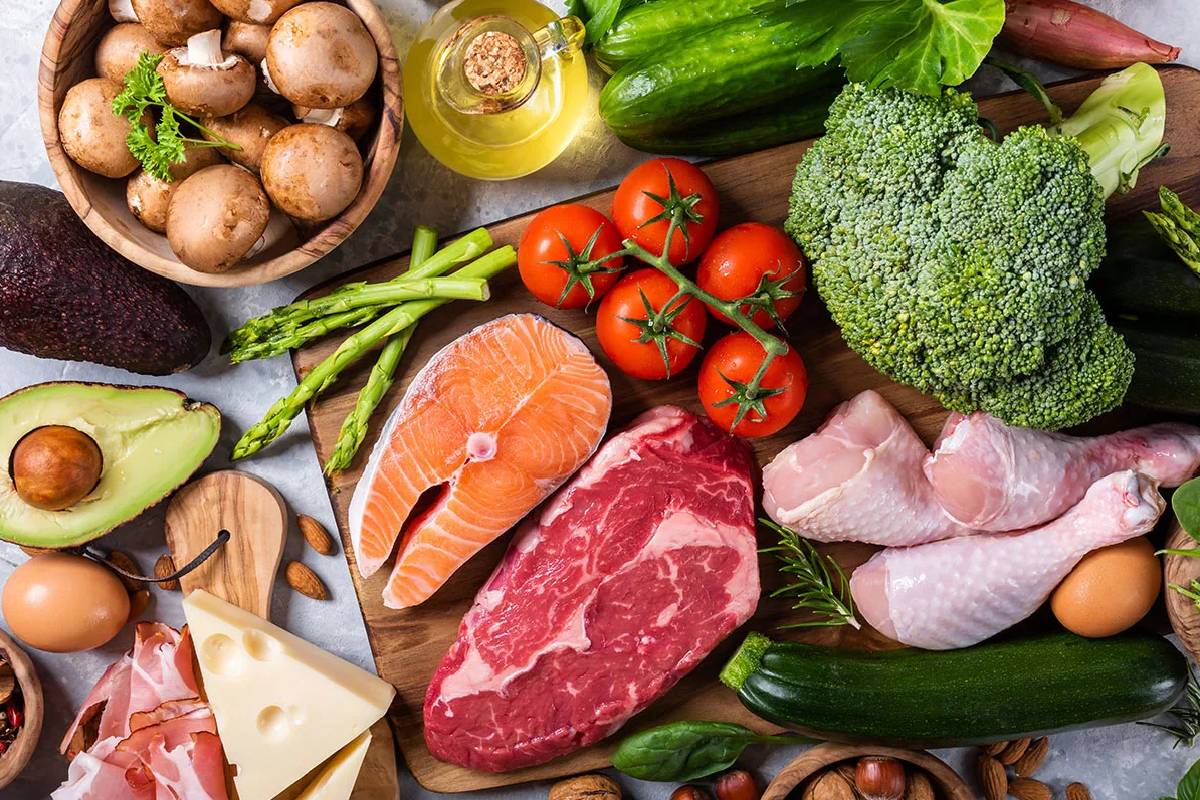
A grain-free diet generally does not restrict meat, fish, eggs, legumes, beans, seeds, nuts, sugar, or dairy products unless a person chooses to eliminate them for another reason. Some people following this approach also pay attention to how their body responds to particular foods and reduce or avoid foods they believe trigger digestive or other symptoms.
In some ways, a grain-free diet is similar to other dietary approaches that limit wheat or certain grain products, including the GAPS diet, alkaline diet, Wheat Belly diet, and Paleo diet.
However, a completely grain-free diet has not been extensively studied as a distinct dietary pattern. Much of the support for eliminating grains comes from research on specific conditions, such as celiac disease, gluten-related disorders, or the effects of highly processed foods, rather than evidence that everyone benefits from avoiding grains.
What Are the Benefits of a Grain-Free Diet?
1. It May Help Reduce Reliance on Highly Processed Foods
Some people find that removing grain-based foods encourages them to reduce their intake of highly processed products such as packaged snacks, pastries, sugary cereals, and refined baked goods.
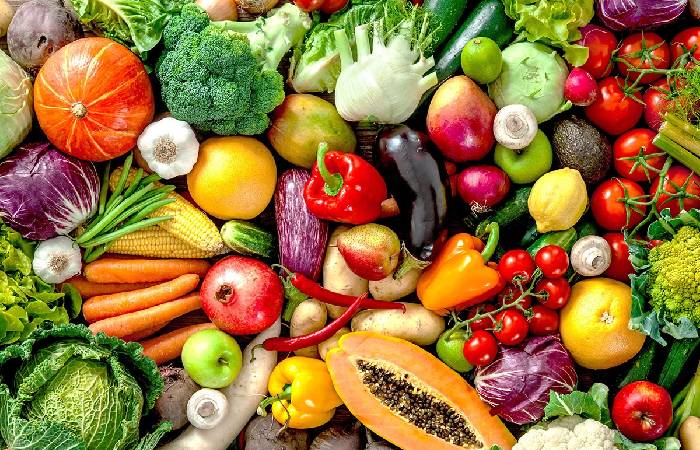
This may make it easier to focus on whole foods such as vegetables, fruits, eggs, fish, meat, beans, nuts, and seeds. However, simply removing grains does not automatically make a diet healthier. Grain-free packaged foods can also contain significant amounts of added sugar, salt, or saturated fat.
For sustainable dietary habits, it can be useful to focus on overall food quality rather than eliminating an entire food group unnecessarily. You can also learn more about sustainable eating and how to build healthier long-term eating habits.
2. It May Support Heart and Metabolic Health
The potential effects of a grain-free diet on heart health depend largely on what replaces the grains.
Some dietary patterns that reduce refined grains and emphasize vegetables, nuts, seeds, lean proteins, and minimally processed foods may improve certain cardiovascular risk factors. Research on Paleo-style diets, for example, has found improvements in some measures of cholesterol and triglycerides in certain groups.
However, this does not mean that all grains are harmful to the heart. Whole grains contain fiber, vitamins, minerals, and other beneficial compounds and are associated with cardiovascular health when included as part of a balanced diet.
Therefore, replacing refined grains with nutritious whole foods may be more important than simply eliminating all grains.
3. It May Improve Symptoms in Some People With Gluten-Related Conditions
Some people experience digestive or other symptoms after consuming gluten or wheat. For people with celiac disease, avoiding gluten is an essential part of treatment.
Some individuals without celiac disease may also report symptoms after consuming gluten or wheat, although the reasons can vary and should not automatically be attributed to gluten.
Research has explored connections between gluten-related disorders and symptoms such as fatigue, digestive problems, headaches, and certain neurological or psychological symptoms. However, claims that eliminating gluten treats conditions such as autism, depression, anxiety, or ADHD are not supported as a general recommendation.
If you experience persistent symptoms after eating wheat or other foods, it is better to speak with a healthcare professional rather than eliminating multiple food groups without evaluation.
4. It Encourages Home Cooking and Label Reading
One potential advantage of a grain-free diet is that it may encourage you to prepare more meals at home and pay closer attention to food labels.
Cooking at home can make it easier to control ingredients, portion sizes, added sugars, sodium, and the amount of highly processed food in your diet. Reading labels can also help you identify wheat, barley, and other grain ingredients when you are intentionally avoiding them.
However, a healthy diet does not require avoiding grains completely. For many people, minimally processed whole grains can be an important source of fiber and nutrients.
5. It May Help Some People Identify Food Triggers
Some people notice digestive discomfort or other symptoms after eating particular foods. Temporarily removing a suspected food and carefully reintroducing it may help identify possible food triggers, although this is best done with professional guidance when symptoms are persistent or severe.
Claims that wheat or grains directly cause “leaky gut syndrome” and a wide range of conditions are not well established. Increased intestinal permeability can occur in certain diseases and circumstances, but it should not be assumed to be the cause of every digestive, skin, or inflammatory symptom.
People with conditions such as celiac disease, inflammatory bowel disease, or irritable bowel syndrome may require individualized dietary advice. Removing grains may help some individuals depending on the underlying condition, but it is not a universal treatment.
Is a Grain-Free Diet the Same as a Gluten-Free Diet?
No. A grain-free diet is more restrictive than a gluten-free diet.
A gluten-free diet eliminates gluten-containing grains such as wheat, barley, and rye but can still include naturally gluten-free grains and pseudograins such as rice, corn, quinoa, and buckwheat, provided they are suitable and not contaminated with gluten.
A grain-free diet eliminates grains more broadly, including both gluten-containing and gluten-free grains.
What Can You Eat on a Grain-Free Diet?
Depending on your individual dietary needs, a grain-free diet can include:
- Meat and poultry
- Fish and seafood
- Eggs
- Vegetables
- Fruits
- Potatoes and sweet potatoes
- Beans and legumes
- Nuts and seeds
- Dairy products
- Healthy oils
- Herbs and spices
The quality of the overall diet still matters. A grain-free diet based mainly on processed meat, sugary foods, and packaged grain-free products may not provide the same benefits as one centered on vegetables, fruits, legumes, nuts, seeds, and other minimally processed foods.
Grain-Free Diet and Intuitive Eating
Not everyone needs to follow strict food rules to eat healthfully. Paying attention to hunger, fullness, food preferences, and how different foods make you feel can be part of a more flexible approach. Learn more about intuitive eating to understand how mindful eating habits can fit into a balanced lifestyle.
Final Thoughts
A grain-free diet eliminates grains such as wheat, rice, corn, oats, barley, and other grain products. It is different from a gluten-free diet because it also removes grains that do not naturally contain gluten.
Some people may benefit from avoiding specific grains because of celiac disease, gluten-related disorders, food intolerances, or individual dietary preferences. However, there is no strong evidence that everyone needs to eliminate grains from their diet.
If you choose to follow a grain-free diet, focus on nutritious whole foods and make sure you still get enough fiber, vitamins, minerals, and other essential nutrients. If you have ongoing digestive symptoms or a diagnosed medical condition, consider speaking with a qualified healthcare professional or registered dietitian before making major dietary changes.