
Sometimes the keto diet can have the opposite effect and contribute to weight gain. One reason this can happen is that the diet is not being followed in a way that supports the person’s overall calorie and nutritional needs.
Several people find it difficult to lose weight while following a ketogenic diet. This may happen when meals are very calorie-dense, portion sizes are too large, or the diet does not provide enough protein, fiber, or other essential nutrients.
If the ketogenic diet is not followed appropriately, weight gain can occur. However, this does not necessarily mean that the ketogenic diet itself is responsible. Overall calorie intake, food choices, activity levels, sleep, medications, and underlying health conditions can all influence body weight.
People who have struggled with restrictive diets may also want to learn about fad diets and why short-term dietary trends do not always lead to sustainable results.
Table of Contents
What Is the Keto Diet?
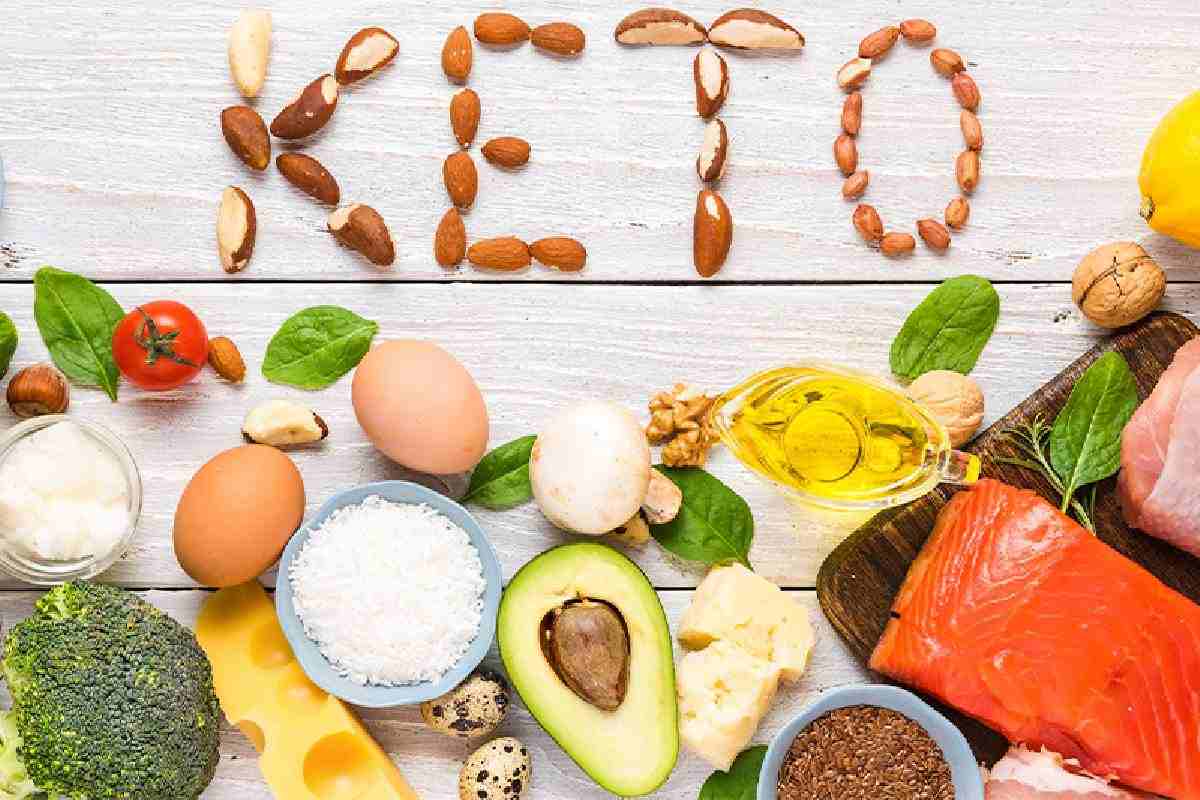
The ketogenic diet is a low-carbohydrate, high-fat eating pattern that significantly reduces carbohydrate intake and increases the proportion of calories coming from fat. The goal is to encourage the body to produce and use ketones as an alternative fuel source.
The ketogenic diet has also been studied and used in certain medical settings, particularly for specific types of epilepsy under medical supervision. However, using keto for weight management is different from using a medically prescribed ketogenic diet.
The diet is relatively restrictive because it limits many carbohydrate-rich foods, including grains, legumes, many fruits, and some starchy vegetables. Protein intake is generally moderate rather than extremely high.
While some people lose weight on a ketogenic diet, it is not appropriate or sustainable for everyone. Dietary approaches should be selected according to individual health needs, preferences, nutritional requirements, and long-term sustainability.
For example, people interested in alternative eating patterns can also explore a grain-free diet or compare keto with other dietary approaches before deciding which pattern best suits their lifestyle.
Is It Possible to Gain Weight on Keto?

Yes, it is possible to gain weight while following a ketogenic diet.
Although reducing carbohydrates can lead to changes in appetite, water balance, and body weight for some people, keto does not make a person completely immune to weight gain. Foods such as cheese, oils, butter, nuts, cream, and other high-fat foods can be calorie-dense, and eating large portions can make it difficult to maintain a calorie deficit.
Weight can also fluctuate because of changes in water and glycogen stores. Therefore, a short-term increase on the scale does not necessarily mean that a person has gained body fat.
Other factors, including reduced physical activity, medications, medical conditions, stress, and sleep problems, can also contribute to weight gain.
The good news is that there are several ways to make a dietary approach more balanced and sustainable. Instead of focusing exclusively on carbohydrate restriction, it is useful to consider overall food quality, portion sizes, protein intake, fiber, physical activity, and long-term adherence.
5 Reasons the Keto Diet May Be Making You Gain Weight
There are several possible reasons why someone may gain weight while following a ketogenic diet. These can include consuming too many calories, eating large portions of calorie-dense foods, consuming more carbohydrates than intended, or following an overly restrictive plan that becomes difficult to maintain.
1. Not Being in Ketosis
One commonly discussed reason for not getting the expected results from keto is not reaching or maintaining nutritional ketosis.
Nutritional ketosis occurs when carbohydrate intake is low enough for the body to increase ketone production. However, being in ketosis does not automatically guarantee weight loss. A person can be in ketosis and still consume enough calories to maintain or gain weight.
There is also no single carbohydrate limit, such as exactly 10 or 20 grams per day, that applies to everyone. The carbohydrate intake needed to achieve ketosis can vary depending on the individual and their circumstances.
Therefore, focusing only on whether you are in ketosis may overlook other important factors involved in weight management.
2. Not Considering Overall Calorie Intake
Following a low-carbohydrate diet does not mean calories no longer matter. Foods commonly used in keto diets can be highly energy-dense, so large portions can add up quickly.
For example, oils, butter, cheese, cream, nuts, and fatty meats can all contribute substantial calories. If overall energy intake consistently exceeds the body’s needs, weight gain can occur even when carbohydrate intake is relatively low.
Rather than relying only on carbohydrate restriction, pay attention to portion sizes and the overall nutritional quality of meals.
3. Eating More Protein Than Needed
Another common misunderstanding is that a ketogenic diet should contain extremely high amounts of protein. In reality, keto is generally characterized by very low carbohydrate intake, higher fat intake, and moderate protein.
Protein is important for maintaining muscle mass and supporting satiety, particularly during weight loss. However, there is no need to consume excessive amounts.
The body can use amino acids for glucose production through a normal metabolic process called gluconeogenesis. This does not mean that eating protein automatically stops ketosis or prevents fat loss.
A balanced protein intake based on individual needs is generally more useful than deliberately restricting or excessively increasing protein.
4. Eating Too Much
If you are gaining weight while following keto, one possibility is that you are simply eating more energy than your body requires.
Because many keto-friendly foods are high in fat, it can be easy to consume substantial calories without realizing it. Frequent snacking can also increase total calorie intake.
Instead of automatically eliminating all snacks, consider whether you are actually hungry and whether your meals contain enough protein, fiber, and nutrient-dense foods to keep you satisfied.
People who prefer a less restrictive relationship with food may also be interested in intuitive eating, which emphasizes recognizing hunger and fullness cues while developing a more flexible approach to eating.
5. Eating Too Many Carbohydrates
One of the main challenges when starting a ketogenic diet is unintentionally consuming more carbohydrates than intended.
Carbohydrates can come from obvious sources such as bread, rice, pasta, sweets, and sugary drinks, but they can also appear in foods such as flavored yogurt, sauces, dressings, processed snacks, and certain packaged foods.
If someone is specifically following keto to achieve nutritional ketosis, consistently consuming more carbohydrates than their individual threshold may make ketosis less likely.
However, eating more carbohydrates does not automatically mean that a person will gain body fat. Overall calorie intake and dietary patterns remain important.
Choosing a Sustainable Approach
The keto diet is only one of many dietary approaches. Some people may find it helpful, while others may find the restrictions difficult to maintain.
A sustainable eating pattern should provide adequate nutrients and fit your lifestyle, preferences, culture, budget, and health requirements. For some people, a Mediterranean diet food list may provide a more flexible approach centered on vegetables, fruits, whole grains, legumes, fish, and healthy fats.
Another approach worth considering is sustainable eating, which focuses on creating eating habits that can realistically be maintained over the long term.
It is also important not to assume that every low-carbohydrate eating pattern is the same. For example, the carnivore diet is considerably more restrictive than a typical ketogenic diet because it eliminates plant foods almost entirely.
Conclusion
It is possible to gain weight while following a ketogenic diet. However, the reason is not necessarily that keto itself causes weight gain.
Large portions, calorie-dense foods, frequent snacking, unintended carbohydrate intake, reduced physical activity, medications, medical conditions, and difficulty maintaining the diet can all influence weight.
Ketosis can be part of a ketogenic diet, but being in ketosis does not guarantee weight loss. Similarly, consuming protein does not automatically prevent ketosis, and there is no universal carbohydrate limit that guarantees success for everyone.
The most appropriate eating pattern is one that provides adequate nutrition and can be maintained over time. If you are considering a ketogenic diet, especially if you have a medical condition or take prescription medication, discussing the approach with a qualified healthcare professional or registered dietitian can help you determine whether it is appropriate for you.