
Anti-Inflammatory – Playing sports is very healthy. First, however, you must prepare your muscles for the physical effort this entails and relax them after the routine. On the other hand, muscle and joint pain, which usually limits your activities, may sometimes be relieved with treatments designed to reduce inflammation, such as anti-inflammatory medicines and creams.
Maintaining good bone and joint health is also important for supporting mobility, flexibility, and physical activity.
Table of Contents
How Does An Anti-Inflammatory Cream Work?
Anti-inflammatory ointments have many properties, so they can be effective when treating contractures, bruises, and lower back pain.
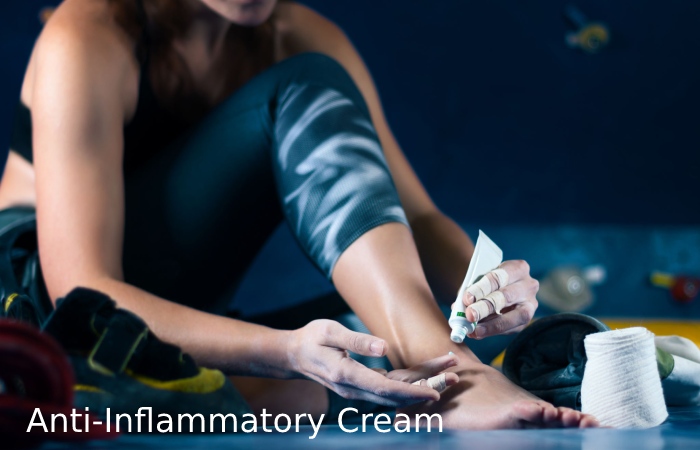
In this sense, it should be known that there are anti-inflammatory ointments with a cold effect, such as menthol, that may help reduce discomfort and inflammation. However, keep in mind that this type of cream may be used for conditions such as:
- Dislocations
- Joint injuries
- Contusions
- Sprains
There are also anti-inflammatory ointments with a heating effect. Their function is to increase blood flow and may help relax muscles and improve muscle stiffness. They are sometimes used by athletes as part of recovery and may be used for:
- Lumbar pain
- Muscular stiffness
- Rheumatic pain
- Contractures
- Pain associated with poor posture, such as torticollis
Poor posture can also contribute to excessive curvature of the upper back, which is associated with conditions such as hunchback or kyphosis.
How To Use Anti-Inflammatory Cream?
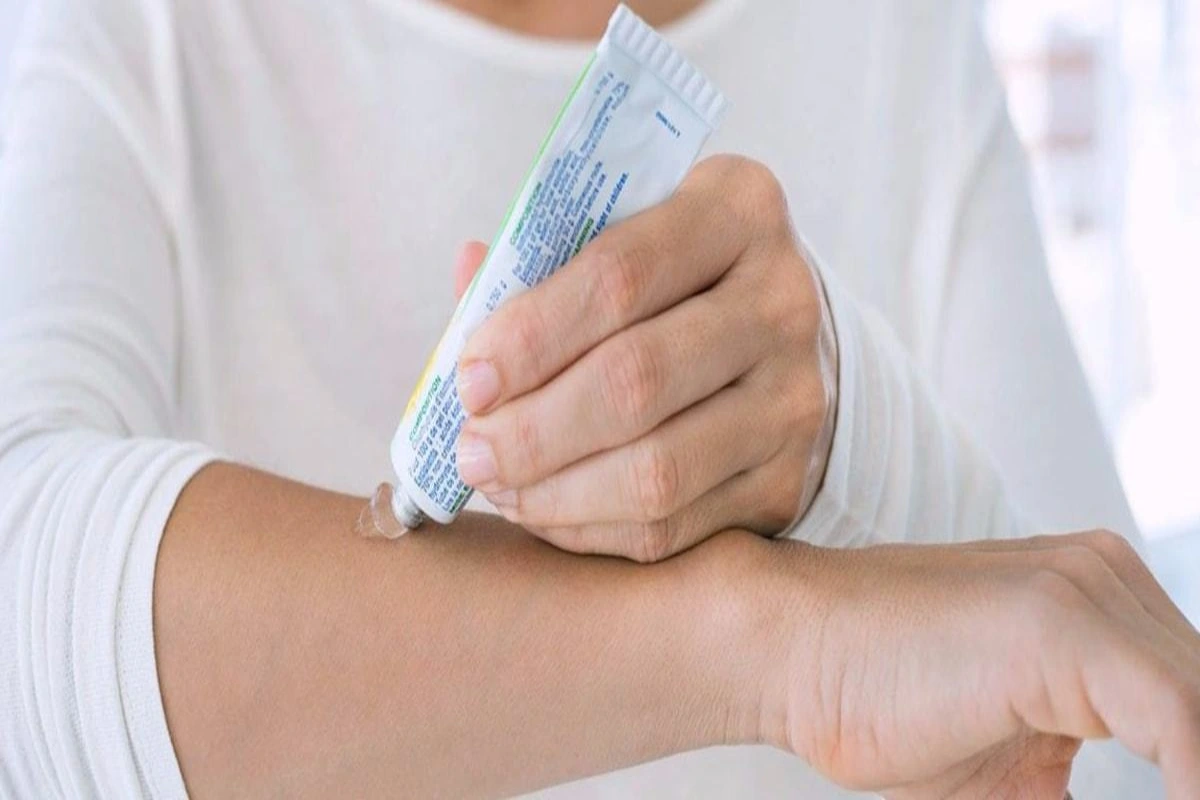
Of course, for these creams to have the desired effect, they must be appropriately used, usually as stated in the package insert that comes with the product. You should also make sure that the product has not expired.
In any case, the procedure for applying a topical cream generally includes:
- Clean the affected area: The area should be clean and dry so that the product can be properly applied to the skin.
- Apply it to the desired area: Spread the cream over the affected area according to the product instructions. Avoid applying it to areas of skin that do not require treatment.
- Massage until the cream penetrates the skin: Gently massage the product into the skin if the product instructions recommend doing so.
Always follow the directions on the product label and ask a healthcare professional or pharmacist if you are unsure about its use.
What Is The Best Cream To Reduce Inflammation?
Some muscle pain creams contain analgesic or anti-inflammatory ingredients and are designed to provide temporary relief from muscle and joint discomfort. However, the appropriate product depends on the cause and severity of the symptoms.
As the market that has been created around these products is constantly growing, and people are frequently exposed to advertising for different products, several criteria should be considered when choosing a treatment. These may include the active ingredients, intended use, potential side effects, allergies, and other medications you may be taking.
Speaking of common natural ingredients present in some ointments that may have anti-inflammatory or analgesic properties, examples include arnica, cat’s claw, turmeric, nettle, devil’s claw, ginger, willow, and eucalyptus.
Natural ingredients are not automatically safe for everyone, so it is important to check the product ingredients and speak with a healthcare professional when appropriate.
The Best Ointments And Creams For Muscle Pain
These products may be used as an option for temporarily managing muscle pain and discomfort. Generally, some are indicated for relaxing massages and relieving muscle stiffness. In addition, they may help support comfort and mobility.
Some formulas contain ingredients such as arnica, calendula, hypericum, melaleuca, and other substances marketed for their anti-inflammatory or analgesic properties. However, the effectiveness and safety of individual ingredients can vary.
The Best Creams For Bumps And Sprains
While carrying out the tasks of daily life, the risk of suffering injuries such as sprains, contractures, or bruises is always present. Fortunately, various topical treatments have been developed to help manage discomfort associated with minor injuries.
For example, some topical products contain diclofenac, a non-steroidal anti-inflammatory drug (NSAID). Diclofenac gel may be used to relieve pain and inflammation associated with certain minor injuries and musculoskeletal conditions. Always follow the product instructions and age restrictions.
On the other hand, creams based on plant-derived ingredients may contain extracts intended to provide soothing effects for conditions affecting areas such as the knees, feet, back, and shoulders. Their effectiveness can vary depending on the ingredients and the condition being treated.
Pain associated with poor posture may sometimes occur alongside changes in the upper back. For example, people with a rounded upper-back posture may experience discomfort associated with a Dowager’s Hump. Persistent pain or noticeable changes in spinal alignment should be evaluated by a healthcare professional.
Conclusion
Injuries can be part of life for athletes and physically active people. They can range from minor strains and bruises to more significant injuries that require medical attention. Topical anti-inflammatory creams may provide temporary relief for certain types of muscle and joint pain, but the appropriate treatment depends on the underlying cause.
Always follow the instructions for any anti-inflammatory product and consult a healthcare professional if pain is severe, persistent, recurrent, or associated with significant swelling, weakness, numbness, or difficulty moving.