
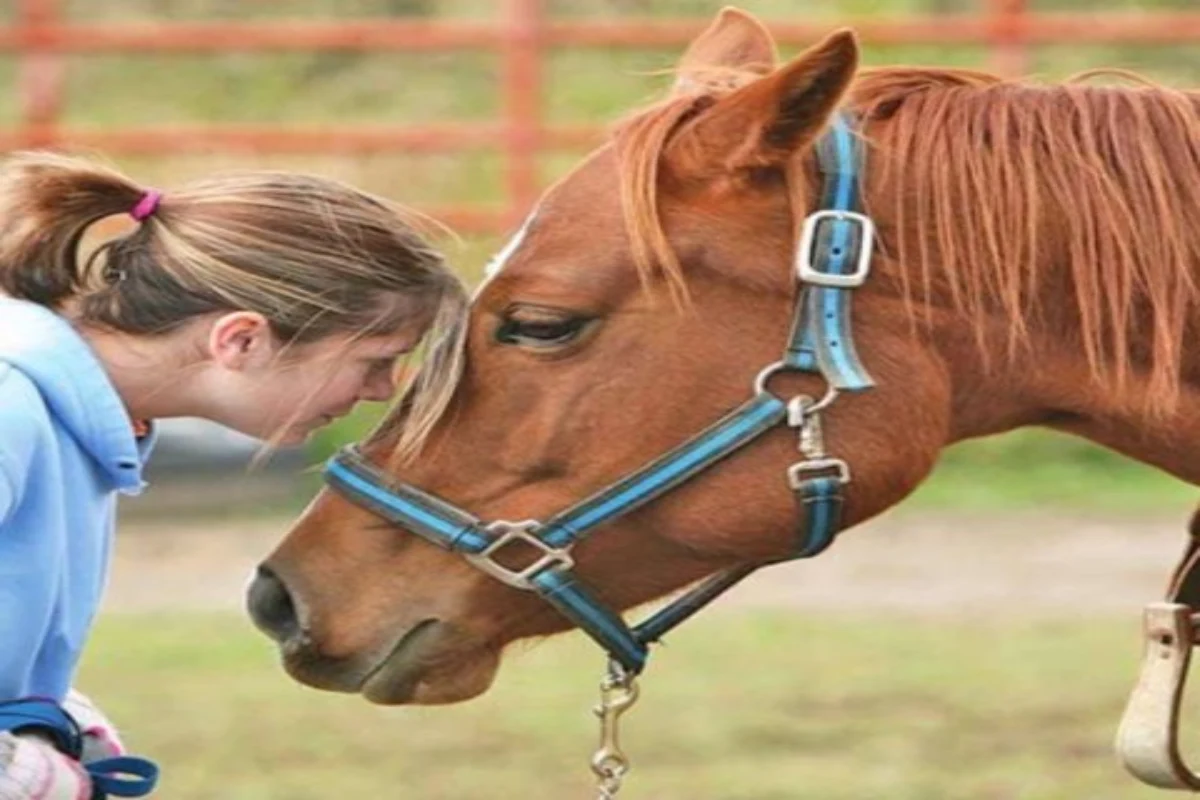
Equine therapy for teens is a type of therapy that involves interacting with horses to promote emotional growth and healing. It may be used as part of treatment for mental health concerns such as anxiety, depression, and PTSD. During sessions, teens work with horses under the guidance of trained professionals to develop skills such as trust, communication, emotional regulation, and empathy.
Equine therapy may contribute to improved self-esteem, communication and interpersonal skills, and stress management. If you believe your teen could benefit from equine-assisted therapy, please consult with a qualified healthcare professional to determine whether it is appropriate for their individual needs.
Table of Contents
Understanding Equine Therapy for Teens
Equine therapy, also known as equine-assisted therapy (EAT), is a type of experiential therapy that involves interacting with horses. For many people, the idea of receiving mental health treatment outside of a traditional office setting can seem unusual or perhaps even intimidating. However, equine-assisted approaches may be incorporated into treatment for various mental health concerns in teens, including anxiety, depression, and difficulties with anger or emotional regulation.
Equine therapy can be thought of as an experiential approach to talk therapy. Instead of sitting only in a therapist’s office and having a conversation, some activities take place outdoors and involve interaction with horses. It can provide a more holistic experience that considers the whole person — mind, body, and emotional well-being.
Horses are highly perceptive animals and can respond to changes in body language, movement, and behavior. This can give teens an opportunity to become more aware of their own emotions and how their behavior may affect others.
Imagine you’re trying to lead a horse through an obstacle course. If you’re feeling confident and assertive, the horse may respond differently than if you’re timid or nervous. With guidance from a trained professional, this experience can provide an opportunity to explore how emotions, communication, and behavior affect interactions with others.
Some people may wonder if equine therapy is just a gimmick or if it is really effective. While this type of therapy may be unconventional, research suggests that equine-assisted interventions may provide benefits for some people when used appropriately and as part of a broader treatment plan.
Claims about specific success rates should be interpreted cautiously because outcomes can vary depending on the type of intervention, the condition being treated, the study design, and the individual receiving treatment.
With that in mind, let’s take a closer look at how equine therapy works.
How It Works
At its core, equine therapy is about building a connection with a horse. This may involve activities such as grooming, feeding, leading, or simply spending time with the animal. Under professional supervision, these activities can help teens practice communication, patience, boundaries, and trust.
If you’re feeling anxious or frustrated while working with a horse, for example, you may become more aware of how those emotions affect your behavior. On the other hand, learning to remain calm and focused during a challenging activity can provide an opportunity to practice emotional regulation.
The physical act of riding a horse may also be included in some equine-assisted programs, although not every form of equine therapy involves riding. When riding is part of the program, the rhythmic movement of the horse may feel calming to some people. Riding also requires balance and coordination, which can support body awareness and proprioception.
Think about it like dancing: when two people are dancing together, they need to be aware of each other’s movements and stay in sync. Working with a horse can be similar in that it requires communication and cooperation between the person and the animal.
Some people may wonder why working with horses specifically is helpful for mental health concerns. While many outdoor activities can support well-being, working with horses provides a unique opportunity to build a relationship with another living being.
This can be especially helpful for teens who may be struggling to form meaningful connections with others. Horses do not judge people in the same way humans sometimes do, and their responses to body language and behavior can provide immediate feedback. This allows teens to practice empathy, assertiveness, patience, and other social skills in a structured environment.
Now that we have a better understanding of how equine therapy works, let’s take a closer look at some of the potential benefits it can offer for teen mental health.
Success Rate and Effectiveness
Equine therapy has received attention as a complementary approach for supporting adolescents with mental health concerns. However, there is no single success rate that applies to every equine therapy program or every mental health condition. Research findings vary, and more high-quality studies are needed to determine how effective different forms of equine-assisted therapy are for specific conditions.
One reason equine therapy may be helpful for some teens is its experiential approach. Unlike treatments that rely primarily on conversation, equine-assisted activities allow teens to actively participate in exercises involving communication, problem-solving, emotional awareness, and relationship building.
Horses can respond to a person’s behavior and body language, giving teens an opportunity to observe the consequences of their actions in real time. Through building relationships with horses, teens may have opportunities to practice trust, empathy, communication, and social skills.
An analogy would be comparing learning how to swim from a textbook versus learning how to swim with an instructor in a pool. Reading about swimming may provide knowledge, but it cannot completely replicate the experience of being in the water. Equine-assisted therapy offers an immersive experience that can help teens develop practical skills while learning more about themselves.
Another factor that may contribute to the appeal of equine-assisted programs is the presence of horses. Interacting with animals can create a different therapeutic environment from a traditional clinical office. For some teens, this less conventional setting may make it easier to participate and engage with the therapeutic process.
A number of youth programs and mental health organizations incorporate equine-assisted activities into their services. However, individual experiences and outcomes can vary, so families should discuss the potential benefits and limitations with a qualified professional.
Benefits of Equine Therapy for Teen Mental Health
Equine therapy offers several potential benefits to teenagers dealing with mental health issues.
One significant potential benefit is emotional regulation. Horses can respond to changes in a person’s behavior and body language, which may help teens become more aware of their own emotional responses. Learning to recognize and manage these responses can be useful in other areas of life, including school, work, and personal relationships.
Some research has reported improvements in areas such as self-esteem, social functioning, and interpersonal skills among young people participating in equine-assisted interventions. However, results vary between studies, and equine therapy should not be considered a guaranteed treatment for any particular condition.
Another potential benefit of equine therapy is building trust between teens and adults. Teenagers may sometimes feel unheard or misunderstood by the adults around them, making it challenging to build trust within their relationships. Equine-assisted therapy can provide opportunities to develop trust and form positive connections with therapists, instructors, and other participants.
These experiences may help teens practice communication and relationship skills that can eventually be applied to interactions with parents, peers, teachers, and other people in their lives.
Another analogy would be comparing getting behind the wheel for the first time with building trust with a horse. Initially, both experiences can be intimidating because they require learning new skills and moving outside one’s comfort zone. With continued practice and guidance from trusted adults, both experiences can become easier over time.
Some studies have also reported reductions in symptoms of depression or anxiety among young people participating in equine-assisted interventions. However, more research is needed to understand which teens benefit most and how equine therapy compares with established treatments such as psychotherapy and cognitive-behavioral therapy (CBT).
Equine therapy may therefore be best viewed as one possible component of a broader mental health treatment plan rather than a replacement for evidence-based clinical care.
Understanding the potential benefits of equine therapy highlights the importance of identifying teens who may benefit from this approach and the specific mental health concerns that it may help address.
Conclusion
Another potential benefit of equine therapy is that it gives teens opportunities to practice essential life skills. These may include coping strategies, communication, problem-solving, planning and organization, emotional regulation, and leadership skills.
The therapeutic environment created through equine-assisted activities can encourage self-reflection and help teens understand how their emotions and behaviors affect themselves and others.
Some critics argue that equine therapy may benefit some teenagers but should not replace established treatments such as psychotherapy or cognitive-behavioral therapy (CBT). This is an important consideration. Equine therapy is generally best considered a complementary or experiential approach that may be incorporated into an individualized treatment plan.
For teens who need professional mental health support, families can also explore appropriate mental health services with a qualified healthcare provider.
Healthy daily routines can also complement professional support. Developing healthy habits to support a drug-free lifestyle can contribute to overall physical and emotional well-being.
If you are considering equine therapy for a teenager, speak with a qualified mental health professional to determine whether the approach is appropriate and how it can fit into the teen’s overall care plan.