

Table of Contents
Benefits of Sleep and Skin Regeneration
Restful, sufficient, and consistent sleep is important for overall health, and it may also affect how your skin looks and feels. While sleep is not a substitute for a good skincare routine, adequate rest supports the body’s normal repair and recovery processes.
In this article, we explore what happens to the skin during sleep, how insufficient sleep may affect your complexion, and what you can do to support healthy skin overnight.
What Happens to the Skin During Sleep?
“I need my beauty sleep.” You may have used this phrase to explain why you need an early night. Although beauty sleep is an informal term, there is some truth behind the idea that sleep and skin health are connected.
During sleep:
- The body carries out important repair and recovery processes.
- Blood flow and other physiological processes continue to support the skin and other tissues.
- Growth hormone is released during certain stages of sleep and plays a role in tissue repair and collagen production.
- The body regulates hormones and other processes involved in recovery and cellular maintenance.
- The antioxidant system continues to work against oxidative stress.
Melatonin, a hormone associated with the body’s sleep-wake cycle, also has antioxidant properties. However, it should not be viewed as a direct treatment for sun damage or premature skin aging.
Healthy sleep works together with other habits, including sun protection, balanced nutrition, stress management, and appropriate skincare.
What Happens to the Skin When You Don’t Sleep?
Insufficient or poor-quality sleep may affect the skin, particularly when it happens regularly over an extended period.
Some visible signs associated with sleep deprivation may include:
- Dark circles under the eyes
- Puffy or swollen-looking eyes
- Red or irritated-looking eyes
- A tired or dull complexion
- Paler-looking skin
- More noticeable fine lines
The area around the eyes can make signs of tiredness particularly noticeable because the skin in this region is relatively thin and delicate.
Research has also found that sleep deprivation can influence how other people perceive facial appearance, including signs associated with tiredness. However, one poor night’s sleep does not necessarily cause permanent changes to your skin.
Consistently getting enough sleep is more important than worrying about an occasional late night.
How Can I Help My Skin Regenerate?
Good sleep habits can be combined with a simple nighttime skincare routine to support healthy-looking skin.
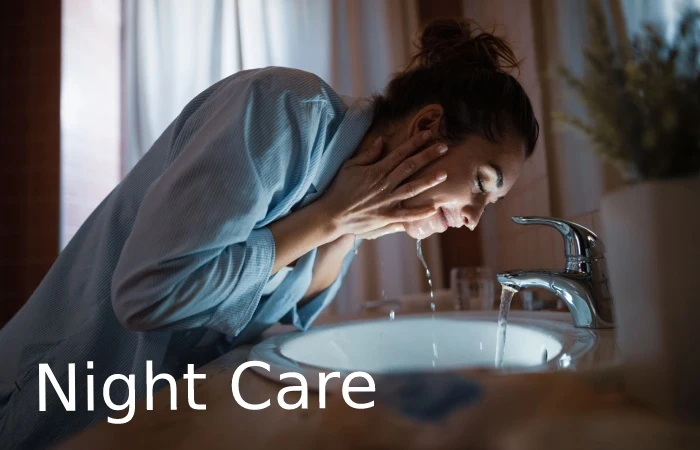
Thorough Facial Cleansing
Before going to sleep, gently remove makeup, sunscreen, sweat, excess oil, and other impurities from your skin.
A clean face allows you to apply your nighttime skincare products directly to the skin and prevents makeup and sunscreen from remaining on the skin overnight.
Avoid aggressive scrubbing or over-cleansing, as these can irritate the skin barrier. In the morning, gently cleanse your face if needed to remove sweat and excess oil.
For more guidance, see our daily skincare routine.
Apply Night Care
A suitable nighttime moisturizer can help reduce water loss and support the skin barrier while you sleep. Night creams are sometimes richer than daytime products, although you do not necessarily need a separate night cream.
Choose products according to your skin type. People with dry skin may prefer a richer moisturizer, while those with oily or acne-prone skin may prefer a lightweight, non-comedogenic formulation.
You can learn more about building a complete skincare routine for your individual needs.
Change Pillowcases Regularly
Pillowcases can accumulate sweat, oil, hair products, skincare products, and other particles over time. Changing them regularly can help maintain a cleaner sleeping environment.
There is no universal requirement to change a pillowcase exactly once a week, but regular washing is a sensible hygiene habit, particularly if you sweat heavily at night or have acne-prone skin.
Choose a Comfortable Sleeping Position
Sleeping position is sometimes discussed in relation to facial wrinkles because repeated pressure and friction against a pillow may contribute to temporary creasing and, over time, potentially affect the appearance of some wrinkles.
However, there is not enough evidence to say that everyone needs to sleep on their back to prevent wrinkles.
If you find sleeping on your side or stomach comfortable, there is no need to change your sleeping position solely because of skincare concerns. A clean, comfortable pillowcase is more important for general hygiene.
Beautiful Dreams, Healthy Skin
Maintaining good sleep hygiene can support both your overall health and your skin.
Try to maintain a relatively consistent sleep and wake schedule. Create a relaxing bedtime routine, keep your bedroom comfortable, and limit activities that make it harder to fall asleep.
Reducing smartphone and other screen use before bed may also help some people establish a more relaxing nighttime routine.
Sleep should be viewed as one part of a broader approach to skin health. A balanced diet, regular physical activity, sun protection, stress management, and appropriate skincare can all contribute to healthier-looking skin.
You can also explore our guide to skincare for additional daily skin-care practices.
How Much Sleep Do You Need?
There is no single number of hours that is ideal for every person. Sleep requirements vary by age and individual circumstances.
For most adults, health organizations generally recommend around 7–9 hours of sleep per night. Some people may naturally need slightly more or less.
Rather than focusing on a strict minimum such as six hours, pay attention to both sleep duration and sleep quality. If you regularly feel tired during the day despite getting enough time in bed, consider discussing the problem with a healthcare professional.
Conclusion
Sleep is an important part of overall health, and getting adequate, good-quality sleep may also support the skin’s normal repair and recovery processes.
A simple nighttime routine can complement healthy sleep habits. Gently cleanse your face, apply a moisturizer suited to your skin, keep your bedding clean, and maintain a consistent sleep schedule.
Remember that sleep is only one part of healthy skin. Nutrition, sun protection, hydration, skincare, stress management, and other lifestyle factors also matter.
With consistent healthy habits and sufficient rest, you can support your body’s natural recovery processes and maintain healthy-looking skin.