
Table of Contents
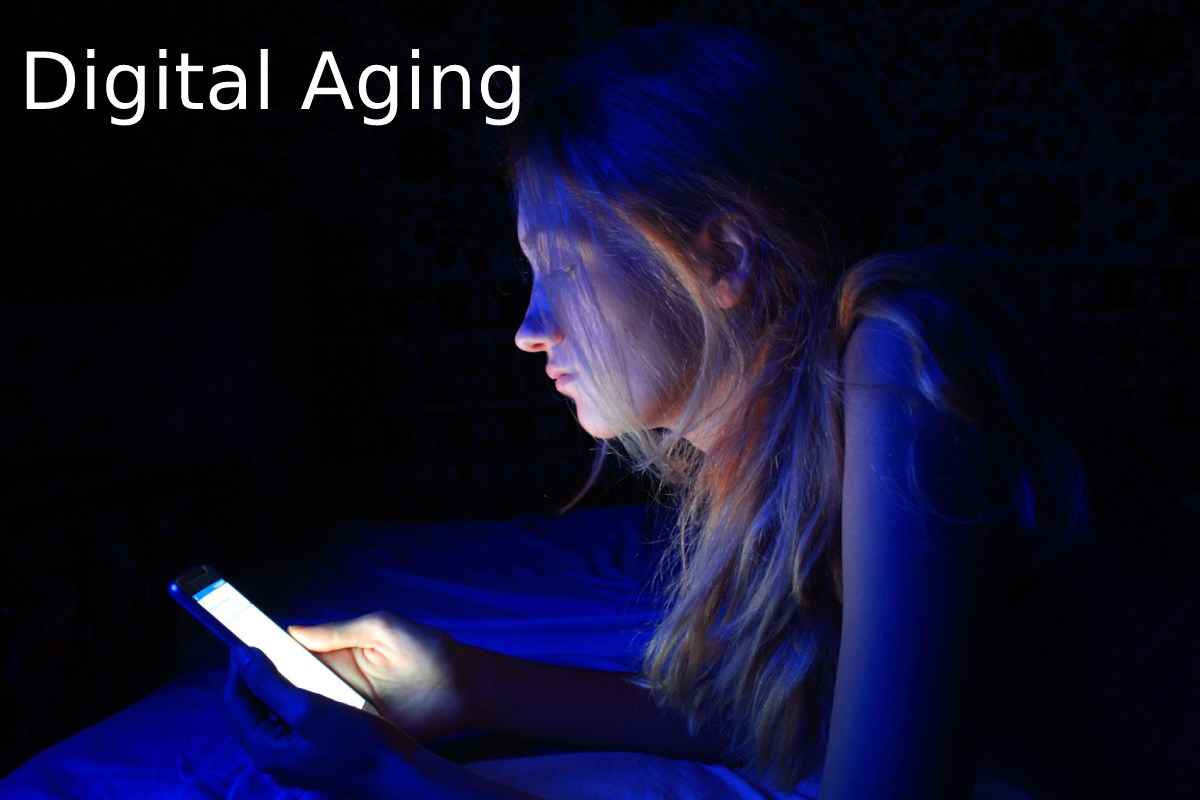
Digital Aging
It is no secret that UVA and UVB rays contribute significantly to skin aging. Applying sun protection is now a routine part of daily skin care for many people. But does sun protection also matter when it comes to the blue light emitted by laptops, smartphones, tablets, and other digital devices?
Digital aging refers to the idea that prolonged exposure to visible blue light and other environmental factors may contribute to oxidative stress and changes in the skin. While UV radiation remains a much more established cause of premature skin aging, protecting the skin from environmental stressors is an important part of a healthy skin-care routine.
The Wavelengths of UV Radiation and Their Effects on the Skin
UV-A Radiation
UV-A radiation has wavelengths of approximately 315–400 nanometers (nm). It is present throughout the year and can penetrate deeper into the skin than UV-B radiation.
UV-A is one of the major contributors to premature skin aging. Repeated exposure can contribute to oxidative stress and processes that affect collagen and elastin in the skin. Over time, this can contribute to wrinkles, loss of elasticity, and other signs of photoaging.
UV-B Radiation
UV-B radiation has wavelengths between approximately 280–315 nm. Its intensity varies depending on the time of day, season, and geographic location.
Although UV-B has more energy than UV-A, it penetrates primarily into the epidermis. UV-B is a major cause of sunburn and can contribute to skin damage and other harmful effects of excessive sun exposure.
Using broad-spectrum sunscreen and limiting excessive sun exposure can help protect the skin from both UVA and UVB radiation.
Blue Light and Its Effects – Digital Aging
High-energy visible (HEV) light is part of the visible-light spectrum. Blue light has shorter wavelengths and more energy than other portions of visible light.
Research has investigated whether blue light can contribute to oxidative stress and pigmentation changes in the skin. However, the effects of blue light from digital devices are still being studied, and exposure from smartphones, laptops, and tablets is generally much lower than exposure to sunlight.
Some laboratory and skin studies suggest that visible light may contribute to oxidative stress and changes in pigmentation. These effects may involve processes that affect skin components such as collagen and elastin.
This is why the concept of digital aging has received attention. However, it is important to recognize that UV exposure remains a much more established and significant contributor to premature skin aging.
Infographic – How Far the Different UV Rays Penetrate the Skin Layers
The depth to which radiation penetrates the skin varies according to its wavelength and type. In general, different wavelengths affect different layers of the skin.

The Antagonist – Antioxidants
Antioxidants are compounds that can help protect cells from oxidative stress. They may be obtained through foods and are also commonly included in skin-care products.
Examples include vitamins C and E and various plant-derived compounds. A balanced diet rich in fruits, vegetables, nuts, seeds, and other nutrient-dense foods can provide many antioxidants.
For daily skin protection, using a broad-spectrum sunscreen with an appropriate SPF can help protect against UVA and UVB radiation. Sunscreen is one of the most established ways to reduce UV-related skin damage and premature photoaging.
A hydrating moisturizer can also help support the skin barrier and reduce dryness. Ingredients such as hyaluronic acid can help the skin retain moisture, while vitamin E and vitamin C are commonly used in skin-care formulations for their antioxidant properties.
If your skin is dehydrated and needs additional moisture, a suitable moisturizing cream can be incorporated into your skin-care routine. Intensive moisturizers may be particularly useful as part of a nighttime routine.
For mature skin, products containing ingredients such as vitamin C or glycolic acid may help improve the appearance and texture of the skin. Glycolic acid is an alpha-hydroxy acid that can help exfoliate the skin, while vitamin C is commonly used in skin-care products for its antioxidant properties.
Because active ingredients can sometimes cause irritation or increased sensitivity, introduce them gradually and follow the product’s instructions. People with sensitive skin or existing skin conditions may benefit from discussing an appropriate routine with a dermatologist.
Conclusion
Digital aging is an emerging area of interest in skin care. Blue light and other environmental exposures may contribute to oxidative stress and certain skin changes, but the evidence surrounding everyday exposure from digital devices is still developing.
UV-A and UV-B radiation remain much more established contributors to premature skin aging. Protecting your skin from excessive sun exposure, using broad-spectrum sunscreen, maintaining adequate hydration, and following consistent healthy habits can all contribute to healthier-looking skin.
A broader approach to wellness that includes 9 health habits everyone should start and focuses on staying healthy and happy can also support overall well-being as you age.