

The attraction to sweet tastes begins early in life. Newborns generally show a preference for sweetness, which may have evolutionary advantages because naturally sweet foods can provide energy. However, modern diets can expose us to much larger amounts of added sugars than are naturally present in whole foods.
Excessive intake of added sugar is associated with problems such as tooth decay, excess calorie intake, weight gain, and an increased risk of metabolic conditions, including type 2 diabetes. Understanding the different types of sugar can help us make more informed food choices.
Table of Contents
What Is Sugar?
Sugar is present in many forms in our diet. Some naturally occurring sugars and carbohydrates include:
- Glucose: Found naturally in fruits, vegetables, and honey.
- Galactose and lactose: Lactose is the main sugar naturally found in milk and is made from glucose and galactose.
- Fructose: Found naturally in fruits and honey and also used as an ingredient in some processed foods.
- Sucrose: Common table sugar, naturally present in sugar cane, sugar beet, fruits, and some vegetables.
- Maltose: A sugar produced during the breakdown of starch and found in foods such as malt.
- Starch: A complex carbohydrate found in foods such as potatoes, sweet potatoes, grains, rice, corn, quinoa, buckwheat, and legumes.
Therefore, it is useful to consider the overall quality of carbohydrate-containing foods rather than focusing only on one type of sugar or its glycemic index. Choosing minimally processed foods and limiting excessive added sugar can be part of a balanced diet.
For a broader understanding of the nutrients we need from food, see our guide to nutrients in your diet.
Cane Sugar
White sugar is commonly produced from sugar cane or sugar beet and undergoes refining to remove impurities and produce its familiar white crystals.
White sugar provides calories primarily from sucrose but contributes very few vitamins and minerals. For this reason, it is often described as providing “empty calories.”
Unrefined or less-refined cane sugars, such as muscovado or some forms of rapadura, retain more of the original plant compounds and minerals. However, they are still forms of sugar and should not be considered automatically healthy or consumed without limits.
The most important consideration is the total amount of added sugar in the diet rather than simply replacing white sugar with another type of sweetener.
Fructose
Fructose occurs naturally in fruits and honey and is also used in some processed foods and sweeteners.
Whole fruits provide fructose together with fiber, water, vitamins, minerals, and other beneficial plant compounds. This makes whole fruit nutritionally different from products containing concentrated or added fructose.
High consumption of added sugars, particularly through sugary drinks and highly processed foods, can contribute to excessive calorie intake and metabolic health problems. The body processes fructose primarily in the liver, but this does not mean that naturally occurring fructose in whole fruit is inherently harmful.
The key is to pay attention to the overall source and quantity of sugars consumed.
Coconut Sugar
Coconut sugar is produced from the sap of coconut palm flowers and is often marketed as a more natural alternative to refined sugar.
Although coconut sugar may contain small amounts of minerals and other compounds, it is still primarily a source of sugar and provides calories similar to other forms of added sugar. Its glycemic index can vary depending on processing and testing methods, so it should not be considered a low-risk sugar simply because it comes from coconut palms.
If you enjoy coconut sugar, it can be used occasionally, but portion size and overall added sugar intake remain important.
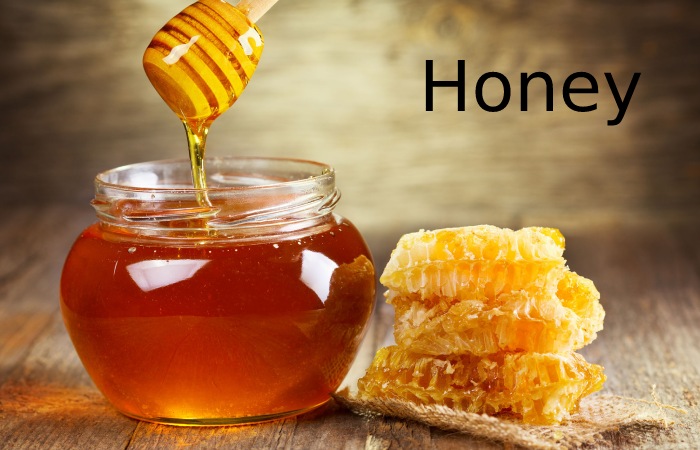
Honey
Honey is produced by bees from flower nectar and contains primarily sugars, along with small amounts of other compounds such as enzymes, minerals, and antioxidants. The nutritional composition can vary depending on the floral source and processing.
Honey can be used as a sweetener, but it is still a source of free sugar and should be consumed in moderation. Raw or minimally processed honey may retain more naturally occurring compounds than highly processed varieties, but claims that honey can provide major nutritional or health benefits should be viewed carefully.
Darker varieties of honey may contain higher levels of certain antioxidant compounds, although this does not make them a substitute for nutrient-rich whole foods.
White Sugar – Many Alternatives
Maple Syrup
Maple syrup is produced by concentrating the sap of maple trees. It contains small amounts of minerals and plant compounds, with the exact nutritional composition varying by grade and processing.
Darker maple syrup can contain higher levels of some antioxidant compounds. However, maple syrup is still an added sugar and should be used in moderation.
When purchasing maple syrup, choose products that are actually made from maple sap rather than flavored syrups containing large amounts of added sugar or other sweeteners.
Agave Sugar
Agave syrup is produced from the sap of agave plants and is commonly used as a sweetener.
It can contain a relatively high proportion of fructose and may taste sweeter than table sugar, meaning less may sometimes be needed for the same level of sweetness. However, this does not make it a health food.
Like other concentrated sweeteners, agave syrup contributes added sugar and calories. Regularly consuming large amounts is not recommended simply because it is marketed as a natural alternative.
Sweeteners
There are several types of low- or no-calorie sweeteners. Stevia, for example, is derived from compounds found in the leaves of the Stevia rebaudiana plant and can provide sweetness with little or no calories.
Other sweeteners include substances such as aspartame, sucralose, and acesulfame potassium. Their safety has been evaluated by food-safety authorities, although recommendations and acceptable daily intake limits can vary.
Sweeteners may help some people reduce their intake of added sugar, but they do not automatically make an overall diet healthy. Foods and drinks that use sweeteners can still be highly processed or low in nutritional value.
Conclusion
There are many alternatives to white sugar, including honey, maple syrup, coconut sugar, agave syrup, and low-calorie sweeteners. However, replacing white sugar with another sweetener does not necessarily eliminate the health concerns associated with consuming too much added sugar.
The more important goal is to reduce excessive and frequent consumption of sweet foods and drinks. Whole fruits can satisfy a preference for sweetness while also providing fiber, vitamins, minerals, and other nutrients.
For more information about vitamin D and its role in the body, read What Is Vitamin D?. You can also learn more about the nutrient from our detailed guide to Vitamin D.
A balanced diet does not require completely eliminating sugar. Instead, focus on nutrient-rich whole foods, keep added sugars moderate, and develop eating habits that are sustainable over the long term.